
- Home
- Magazines
- Ferrous & Non-Ferrous Consultants
- Ranking
- Rukmani Engineering & Technical Solutions

Rukmani Engineering & Technical Solutions: Offering Robust Engineering Project Consultancy Services For Steel And Power Plant Industries

Sanmukh Rao , Founder
The ferrous and non-ferrous metals sector is under increasing pressure in the face of a fast-evolving environment driven by the soaring global demand in sustainable material, automation and extreme environmental regulations.
Green steel production, Industry 4.0 technologies, and the Indian program toward self-reliance in critical minerals are some of the trends transforming the operations, forcing companies to incorporate low-carbon operations, digital solutions, and lifecycle analyses.
Compliance with ESG standards and access to green financing add layers of complexity, while supply chain disruptions and rising energy costs challenge efficiency. These dynamics demand specialized expertise to balance innovation with cost control, mainly for mid-sized players navigating regulatory hurdles and resource constraints.
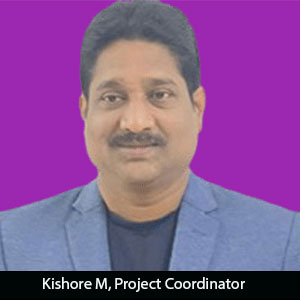
Kishore M, Project Coordinator
Rukmani Engineering & Technical Solutions addresses these challenges through its role as a specialized consultancy and contractor in India's industrial engineering sector, emphasizing sponge iron, power, and metallurgical plants. The company was established in 2007 as an electrical company and after it has grown and ventured into a DRI operations and maintenance, consultancy and turnkey projects which now serves African markets such as Kenya, Uganda, Guinea, and Botswana.
It focuses on small and medium-sized companies that are not covered by international EPC companies, offering modular plant designs and cost-effective retrofitting to enhance efficiency and regulatory adherence without excessive capital outlay.
Seamless Project Execution
The integrated execution model of the company reduces the fragmentation between project steps, starting with feasibility studies and site surveys, through more sophisticated engineering of mechanical, civil, and electrical systems, procurement, construction, testing, commissioning, handover, training, and yearly maintenance contracts.
This lifecycle approach delivers a sense of accountability as the activities such as process flow diagram, equipment specifications, vendor quality inspection, and performance audits are aligned by international standards concerning sustainability, safety and efficiency.
“Our designs incorporate hydrogen-ready infrastructure and renewable energy integration to support green steel transitions, while ESG-compliant deliverables facilitate certifications and financing,” says Kishore M, Project Coordinator, Rukmani Engineering & Technical Solutions.
Its sector-specific expertise aids clients in ferrous and non-ferrous operations by tailoring solutions to regional demands, particularly in industrial hubs like Gujarat.
Local regulatory knowledge accelerates approvals and reduces initiation delays, while customized designs and workforce integration streamline execution.
Environmental compliance features, such as energy-efficient systems, promote long-term viability amid India's critical minerals push. The methodology emphasizes disciplined cost control and risk mitigation, contributing to consistent on-time and within-budget completions key for clients facing volatile raw material prices and labour shortages.
Collaborative Future Vision
In stakeholder collaborations, ranging from large corporations like Mono Power to emerging industrial players, Rukmani provides technical guidance, vetted supplier networks, and post-commissioning support to foster compliant and sustainable practices.
Its discipline, precision, and collaborator-centric partnerships guide how we work to enable innovative approaches to partnering that provide the tools for operational resiliency.
Employees and the local communities benefit from organized training and ethical sourcing guarantees, which strengthens equitable growth.
Looking forward, Rukmani Engineering & Technical Solutions plans to incorporate advanced digital project management tools, such as AI-driven simulations and real-time monitoring, alongside enhanced sustainable practices like circular economy integrations.
These measures are intended to keep pace with evolving regulatory frameworks and demands from Industry 4.0, enabling the firm to take a place supporting self-sustaining manufacturing ecosystems.
🍪 Do you like Cookies?
We use cookies to ensure you get the best experience on our website. Read more...