
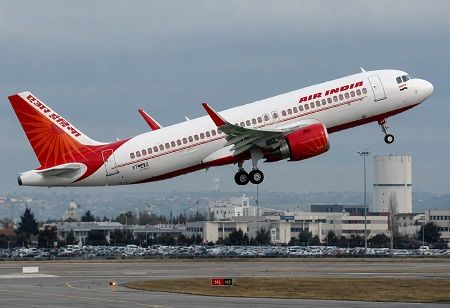
Air India Cuts 22% Domestic Flights Amid Fuel Price Surge
Synopsis: Air India cuts nearly 22% of domestic flight operations as rising aviation fuel prices and increasing operational costs pressure profitability, prompting route optimization, improved fleet utilization, and strategic capacity management across its network.
Air India is preparing to reduce nearly 22 percent of its domestic flight operations as escalating aviation turbine fuel (ATF) prices continue to strain airline operating costs and profitability. The move reflects the growing financial pressure faced by carriers amid volatile crude oil markets, increasing maintenance expenses, and ongoing operational challenges across the aviation sector.
According to industry reports, the Tata Group-owned airline is reviewing its domestic network and adjusting flight frequencies on selected routes to improve operational efficiency and optimize aircraft utilization. The capacity reduction is expected to help the airline manage costs more effectively while maintaining service reliability and focusing on commercially viable sectors.
Fuel prices remain one of the largest expenditure components for airlines, accounting for a substantial share of overall operating costs. The recent rise in global crude oil prices has significantly increased ATF expenses, forcing carriers to revisit pricing strategies, route planning, and fleet deployment decisions. Air India’s latest operational adjustment highlights the broader industry trend of prioritizing profitability and sustainable expansion over aggressive capacity growth.
Also Read: Lavrov Hails Rising Russian Oil Supplies to India Amid Global Pressure
Despite the temporary reduction in domestic operations, Air India continues to advance its long-term transformation and modernization strategy. Since returning to the Tata Group, the airline has undertaken extensive restructuring initiatives, including large-scale aircraft orders, cabin upgrades, digital transformation programs, and service quality improvements aimed at strengthening its market position both domestically and internationally.
The airline is also focusing on enhancing international connectivity and integrating operations across its aviation businesses to create a more efficient network structure. Industry experts believe that rationalizing domestic capacity during periods of elevated fuel costs can help airlines protect margins and maintain operational stability without significantly affecting long-term expansion plans.
The aviation industry globally continues to navigate multiple challenges, including fluctuating fuel prices, supply chain disruptions, aircraft delivery delays, and evolving passenger demand patterns. Analysts suggest that airlines may increasingly adopt flexible scheduling and capacity management strategies to remain competitive while balancing operational sustainability and customer demand.