
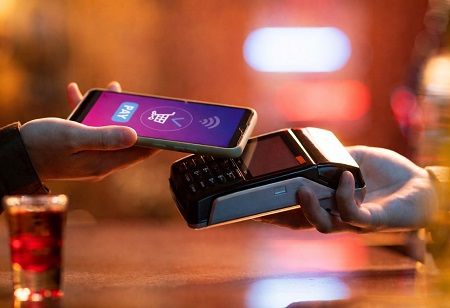
New UPI Rules from April 1st: What GPay & Paytm Users must know
The Unified Payments Interface system/UPI system has undergone major changes which will affect millions of Indian users because the new financial year starts on April 1, 2026. The new security protocols which Google Pay and Paytm and other digital payment platforms will follow, aim to increase system security and operational efficiency while decreasing fraudulent activities. The UPI payment system which India uses as its most popular digital payment method has grown through these updates.
The revised rules aim to strengthen user protection while maintaining the convenience that has made UPI a preferred payment method for everyday transactions. The modifications would essentially make the service more convenient and secure when compared to the way users currently interact with them.
Strengthening Security with Multi-Factor Authentication
The introduction of more rigorous authentication standards for online transactions represents the most essential change. From April 1 UPI payments must use enhanced two-factor authentication systems according to new requirements. The new system needs additional verification methods because it must include biometric and device-based authentication together with UPI PIN and OTP methods.
This change has been made to solve the increasing problems which involve digital fraud and unauthorized financial operations. The authorities created multiple security layers to protect transactions because they wanted to stop any unauthorized access which might occur through a single authentication method. The new payment procedure requires users to complete extra steps yet it provides them with more secure protection.
Changes to Collect Request Feature for Better Safety
 The new major update restricts users from using "collect request" and "pull payment" features which they used to request money from other users. The feature has become a common target for criminals who trick users into accepting payment requests that lead to unintentional money transfers.
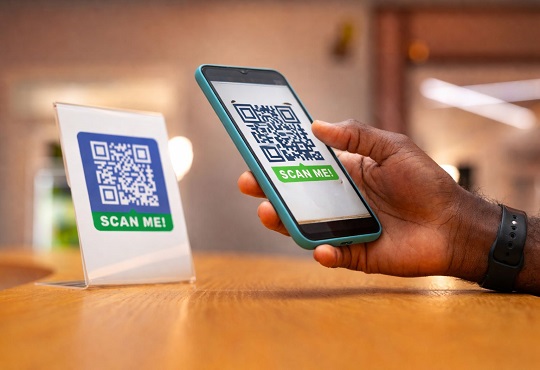
The system now restricts or prohibits users from using collect requests in most situations, especially during peer-to-peer transactions. Users need to make direct payments through QR codes, UPI IDs and verified merchant links.
The shift protects users from scams while providing them with improved management over their outgoing payments. The system requires users to learn new payment methods but it will build trust for digital transactions.
Updates to Transaction Limits and Usage Rules
UPI continues to maintain its standard transaction limits which allow most users to transfer up to ₹1 lakh per day. However, for specific categories such as education and healthcare and insurance payments higher limits of up to ₹5 lakh may be permitted.
The UPI system will impose temporary access restrictions on users who are new to the service. The system establishes a first 24-hour period after registration during which users can make transactions only below a specific limit to protect against unauthorized use or fraud. The payment protocol intends to provide a rudimentary transaction mode. Indeed, CPs is secure and they protect consumers through their payment security systems.
Market Share Cap Extension for UPI Apps
 Regulators have postponed the deadline for third-party UPI apps to implement market share limits because they want to preserve a functioning digital payment system. The regulation establishes a maximum limit which prohibits any application from handling more than thirty percent of total UPI transactions.
The modification brings advantages to both users and the smaller market participants. The extended timeline permits Google Pay and Paytm to continue their normal service operations while they perform required system modifications. Emerging platforms receive additional chances to expand their operations because the system creates multiple pathways for potential growth.
Improved Payment Methods and User Experience
The United Payments Interface progresses through regulatory changes which also bring better payment solutions. Users are increasingly encouraged to rely on QR code scanning and in-app payment intent systems which are considered safer and more efficient than older methods.
The current online and desktop transaction process promotes QR code scanning as its main authentication method. App-based payment flows enable users to make payments directly through their secure platforms which help them avoid phishing attempts and fraudulent links. The new updates improve security while they simplify payment processing because they enable faster and easier user transactions.
Ensuring Accuracy in Mobile Number and Account Linking
The new regulations include a key requirement for organizations to maintain complete and accurate user records, including the mobile phone numbers linked to UPI accounts. Authorities have emphasized the need for regular updates to prevent issues caused by recycled or inactive mobile numbers.
The UPI ID will be disabled if the registered mobile number either becomes inactive or gets assigned to a different person. This system ensures that transactions always connect to the right person while it minimizes the possibilities of mistakes and fraudulent activities.
Users must maintain current information about their banking and UPI application details because this practice helps them prevent service interruptions.
Impact on Everyday Users
 The changes which were implemented on April 1st will not create major disruptions for most users who perform their daily transactions. Users will maintain their ability to send money and pay bills and make purchases through UPI without any changes to their current process. The system will require users to complete extra verification steps while it will limit them to fewer collect requests and provide better transaction protection.
The changes focus on security and reliability which protects system access from being blocked. The digital payment system in India requires these updates because it is experiencing rapid growth to maintain its operational efficiency and system reliability.
Broader Implications for Digital Payments in India
The UPI rules have been revised to show how the government and regulators work to improve India's digital payment system. The UPI system needs to maintain its security standards because of its ongoing growth in both domestic and international markets.
These changes also reflect a shift toward proactive risk management. Authorities have established preventive measures to protect users which serve as their response to fraud incidents. The organization plans to increase digital payment security through its current approach which will lead to higher user trust and increased use of cashless payment methods.
Conclusion
The new UPI rules which starts today - on April 1, 2026, serves as a significant advancement for improving digital payment security and operational efficiency throughout India. The users will experience enhanced protection because the system now implements stricter authentication measures and it decreases dependency on hazardous functions which include collect requests and it establishes new transaction limits and it enhances system operational management.
The payment system requires only minor modifications because all users will experience better security and more dependable service. The UPI ecosystem will achieve greater strength and security through the platform updates which Google Pay and Paytm currently implement.