
India-US Trade Deal Boosts Semiconductor Manufacturing
- The India–US trade deal will boost semiconductors, electronics manufacturing, and cooperation in AI and advanced technologies
- US tariff changes had limited impact on listed Indian firms, as most affected exporters were MSMEs
- The agreement restores trade stability, improves investor sentiment, and reduces the geopolitical discount on Indian equities
The new trade agreement between India and the United States which President Donald Trump announced recently will create stronger partnerships between the two countries in semiconductor and electronic manufacturing and advanced technology fields according to industry experts.
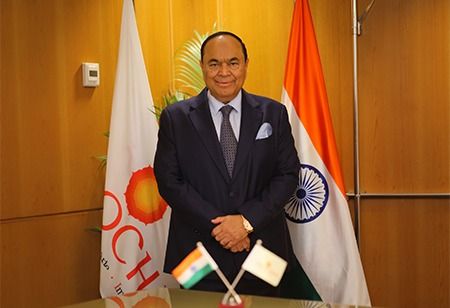
Ashok Chandak, President, SEMI India and IESA stated, “The India-US trade deal can be a major catalyst for India's electronics, semiconductor, and technology ecosystem. By improving market access, enabling smoother flow of capital equipment and advanced technologies, and-when complemented by the iCET and TRUST initiatives-strengthening trusted supply chains and deepening technology collaboration, the agreement significantly enhances India's attractiveness as a global manufacturing and innovation hub”.
The agreement will act as a driving force which will boost semiconductor design and fabrication capabilities in India while increasing electronics value addition and building partnerships with artificial intelligence, data centre and advanced manufacturing fields.
Experts estimate that within the broader vision of achieving $500 billion in bilateral trade, over $100 billion could come from the electronics and semiconductor sectors alone.
Sujan Hajra who serves as Chief Economist and Executive Director at Anand Rathi Group explains that the US government had already imposed a 50 percent tariff which stopped various Indian products from entering the market.
India's export activities to the United States mainly depend on privately owned micro, small and medium enterprises and low-profit manufacturing sectors which serve as the main export capacity sources for the country. The earnings forecast for Indian stocks will not undergo substantial changes because the tariff rate reduction will not function as an independent factor that generates new outcomes.
Also Read: India-EU FTA Unlocks $750 Billion Electronics Market
Hajra demonstrates that the macroeconomic and strategic implications of the situation create much larger effects than their basic economic results. The tariff shock functioned as the initial catalyst that started structural reforms which would produce benefits that surpass the immediate relief from tariffs.
He added, “It accelerated rationalisation of GST rates to protect domestic demand, pushed long-pending labour and compliance reforms to the forefront, and encouraged a deliberate diversification of India's foreign-exchange reserves away from excessive dollar concentration. Most importantly, it forced India to seek deeper market access and geopolitical hedging through a landmark trade agreement with the European Union - opening a far larger, richer and more stable export market for Indian manufacturing and services”.
The India-US treaty implementation has started to reduce the existing uncertainty which existed before. Countries should prioritize maintaining their geopolitical relationships and trade ties instead of permitting their countries to face minimal tariff reductions.
India has become an attractive investment destination because international capital flows back to the country, which offers high economic growth prospects, political stability, strategic importance, strong domestic consumer market and growing trade relations with the United States and Europe.
The geopolitical discount which exists in Indian equities is decreasing, which creates an opportunity for Indian stocks to experience a catching-up surge that will occur when investor trust returns rather than because of upcoming profit increases.