Smart Buildings and IAQ Trends Shaping the Workplaces of Tomorrow
Workplaces in India are transforming in ways that would have seemed futuristic just a decade ago. Buildings are no longer static shells. They are evolving into intelligent, responsive spaces that enhance comfort, boost productivity, and safeguard health. At the heart of this transformation are two powerful trends - Smart Building technologies and Indoor Air Quality (IAQ).
Today, organizations are not just looking for buildings that function well - they want buildings that think, adapt, and protect the people inside them.
Why Smart Buildings Are No Longer Optional
Modern businesses are embracing smart buildings because they see them as strategic assets - not just infrastructure. Smart buildings improve operational efficiency and help create environments where employees feel better and perform better.
The New Reality: IAQ Has Become Central to Workplace Well-Being
One of the most profound shifts we have seen is the rise of Indoor Air Quality as a core workplace priority. As outdoor air quality fluctuates through the year, employees expect the air inside their workplaces to protect their health - not compromise it.
This has pushed IAQ from a back-office concern into mainstream planning and investment. Today, organizations not only want clean air - they want clear data showing air quality in real time.
From Data to Decisions: Buildings That Think for You
Smart buildings aren’t just about sensors - they are about insights. With automation systems that gather and analyze data continuously, facility managers gain clarity into how spaces are used, when systems need maintenance, and how air quality trends evolve.
This data-driven approach leads to major operational advantages such as improved energy efficiency through intelligent HVAC control, proactive maintenance instead of reactive repair, visibility into ventilation performance and airflow patterns and benchmarking energy and IAQ performance across zones or floors.
The result is a workplace that not only feels better to be in but operates more efficiently and sustainably.
Human-Centric Workplaces Are Becoming the Standard
At its core, smart building design must prioritize people. Technology should elevate the daily experience of occupants, not overwhelm them.
Human-centric workplaces deliver stable, comfortable thermal conditions, fresh air that supports focus and well-being, lighting that reduces fatigue and enhances alertness and intuitive control through dashboards and apps
Today’s employees expect more control over their environment. Personalization isn’t a luxury - it’s a necessity. And building automation empowers that expectation without compromising efficiency.
Sustainability Meets Intelligence
Sustainability used to be a checkbox. Now, it’s built into the intelligence layer of modern buildings. Advanced building automation reduces unnecessary energy use, aligns ventilation with actual air quality needs, integrates LED and lighting control for efficiency and consolidates data across systems for strategic decision-making
By designing buildings that self-optimise, sustainability becomes measurable every minute, rather than assessed through periodic reporting.
The Future Workplace Is Predictive, Adaptive, and Resilient
Looking ahead, the workplace will continue to evolve from reactive spaces to predictive ecosystems intelligent systems will forecast IAQ patterns and adjust ventilation ahead of time real-time data will power automated comfort adjustments, multi-site portfolios will be managed through unified platforms, micro-climates within buildings will cater to specific tasks - focus zones, collaboration areas, quiet spaces and IAQ and energy metrics will be embedded in organizational sustainability goals and wellness reporting.
This is not a distant future. It’s the direction smart buildings are headed today, and India is embracing it with increasing enthusiasm.
Closing Thoughts
The narrative of workplace evolution isn’t just about technology - it’s about people. Smart buildings and IAQ innovations are driving this change by giving organizations the tools to create environments that truly care for their occupants.
As we look to the future, the buildings that thrive will be those that think ahead, adjust intelligently, and put human well-being at the centre of every decision.
And that’s the future we are helping to build - one healthy, intelligent space at a time.
About the Author:
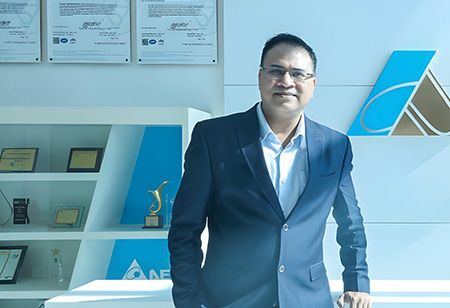
Rahul Talwar is Head of Business for the Building Automation Group at Delta Electronics India, with over two decades of experience in driving solution-led growth and building scalable businesses. He focuses on delivering intelligent building solutions that address real customer needs, improve operational efficiency, and create long-term value through technology and strong customer partnerships.