Adani, UAE's IHC Plan $11.5 Billion Odisha Aluminium Project
Synopsis: Adani Group and UAE-based IHC plan an $11.5 billion integrated aluminium project in Odisha. The venture aims to boost India’s aluminium capacity, create over 53,000 jobs, and strengthen industrial growth.
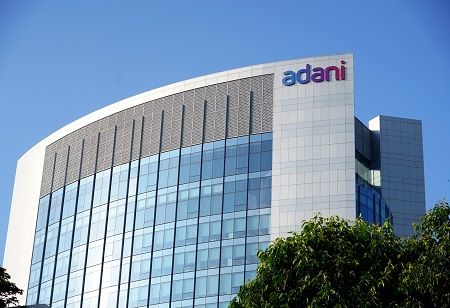
Adani Group along with the Abu Dhabi-based International Holding Company (IHC) said they’re planning to jointly put in $11.5 billion (roughly ₹1.08 lakh crore) for an integrated aluminium manufacturing setup in Odisha. The idea, as shared, is being seen as among the biggest overseas investments in India’s metals space, and it should boost the nation’s aluminium making capacity quite noticeably. At the same time, it also feels like it will strengthen the evolving economic tie between India and the United Arab Emirates.
The project is being set up as a 50:50 joint venture between Adani Group and IHC, kind of a back and forth split. It will include this integrated aluminium value chain, meaning there are an alumina refinery, an aluminium smelter, plus a captive power plant, and also a downstream aluminium manufacturing park. That linked approach is meant to boost operational efficiency quite a lot and make Odisha, effectively a major hub for aluminium production, not just a small stop.
Per the plan that was put forward, the facility should be able to produce around 4 million tonnes of alumina each year, then about 2 million tonnes of aluminium, and roughly 1 million tonnes of downstream aluminium products. After it starts running, the initiative is expected to lift India’s total aluminium output capacity by close to 50 percent, in a way that helps brace the country’s standing as one of the top aluminium producers worldwide.
Odisha has been picked for the investment because it has abundant bauxite reserves, a mining ecosystem that’s already in place and the strategic logistics setup. The state is already responsible for more than half of India’s aluminium output, so it feels like a good place for a big scale integrated metals project. This plan is also expected to tap into Adani’s logistics web, like Dhamra Port, to help move raw materials and finished products more quickly, and with less hassle.
Also read: India's Net External Liabilities Fall to $209.9 Billion
The investment is kind of projected to generate substantial economic benefits for the state. Estimates sort of indicate that the project could create about 53,500 employment opportunities, including around 35,000 jobs during the construction stage and 18,500 permanent jobs once commercial operations get going. The development is also expected to spark related ancillary industries, strengthen local infrastructure, and pull in extra industrial investments toward the region as well.
For Adani Group, that aluminium venture kind of signals its second major move into the metals sector, after it commissioned its copper smelter in Gujarat. This expansion feels like part of the broader approach, meaning the group wants to harden its footprint across key industrial value chains, which in turn back infrastructure, energy, manufacturing, and transportation.
The project aligns with India’s goals of pushing more domestic production of critical industrial metals, to keep up with the rising need from areas like electric vehicles, renewable energy, power transmission, construction, packaging, and even aerospace. Aluminium consumption in India should keep growing in a steady manner, since the country is accelerating its infrastructure buildout and also leaning into clean energy rollouts, so yeah it’s expected to rise.
The partnership also kind of shows how the economic link between India and the UAE is getting stronger, with both nations increasingly teaming up on strategic investments across manufacturing, energy, infrastructure and technology. This proposed aluminium complex , for sure, illustrates the wider way that cross border alliances are helping sustain India’s industrial growth and its long term manufacturing ambitions, which is pretty important.
The Odisha government has signed a Memorandum of Understanding (MoU), with Adani Enterprises for that project, paving the way for its development. Once it is actually implemented, the integrated aluminium complex is expected to make India’s metals sector stronger, support supply chain resilience, lift export potential, and help in a big way for regional economic growth as well as national manufacturing capability.