Canada PM Mark Carney Arrives in India for Strategic Visit
- Canada PM Mark Carney arrives Mumbai for 4-day India visit.
- Meets PM Modi March 2; MoUs on trade, tech, energy.
- Aims are to reset ties, double trade, diversify from US.
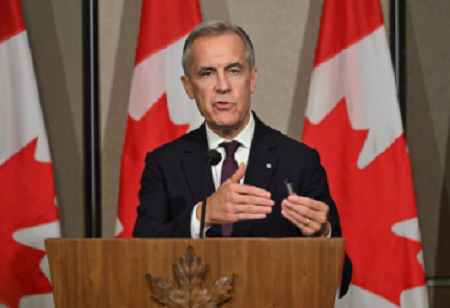
Canadian Prime Minister Mark Carney touched down in Mumbai today. This is the beginning of his four, day official visit to India. The visit is intended to refresh and deepen bilateral relations, increase trade and find new economic collaborations as Canada is trying to reduce its dependence on the United States.
Carney is expected to speak to business leaders and interact with the private sector immediately after the plane arrived in Mumbai. On March 1, he will fly to New Delhi where on March 2, he will have important meetings. Among them are talks with External Affairs Minister S. Jaishankar and a summit, level meeting with Prime Minister Narendra Modi.
The two leaders will likely sign several Memorandums of Understanding (MoUs) that set the grounds for cooperation in the fields of trade, energy, technology, artificial intelligence, nuclear energy, and defence.
Also Read: Netanyahu Calls Modi Visit Boost to Innovation, Security
The visit also includes Carney's speech at the India, Canada CEO Forum just before his departure. The agenda concentrates on raising the Canada, India relationship to the next level through highly ambitious partnerships in trade, energy, technology, AI, talent, culture, and defence.
Discussions are set to include launching the negotiations for a comprehensive free, trade agreement (which is aimed to be completed by November 2026) and possible deals for supplying uranium to India, along with collaboration deepening in nuclear energy, oil and gas, quantum computing, and aerospace.
This meeting is after phases of deteriorated relations under the previous Canadian leadership when relations were strained, with recent improvements including Carney's invitation to Modi for the G7 summit in Alberta last year.
This trip is one of the steps in Carney's broader plan to create alliances with middle powers such as India, Australia, and Japan to be more economically resilient and to find new opportunities for Canadian businesses and workers.