India, South Korea Explore Maritime Ties as Cyprus Backs Recycling
India is expanding maritime cooperation with South Korea and Cyprus in shipbuilding, marine equipment, port investment and green shipping, while pursuing EU recognition for eligible Indian ship-recycling facilities.
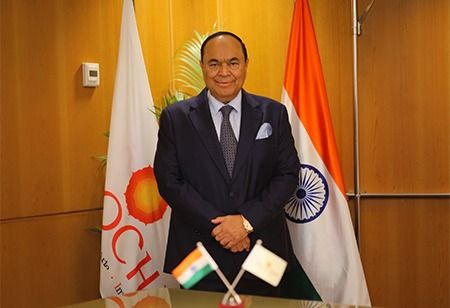
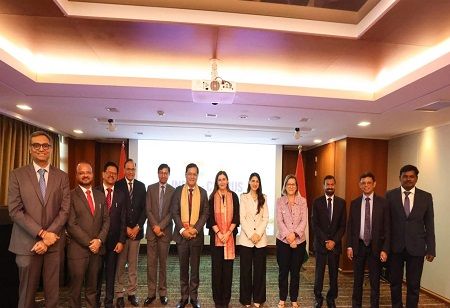
India is strengthening international cooperation in shipbuilding, maritime technology, port infrastructure and sustainable ship recycling as it seeks to become a globally competitive maritime hub by 2047. Union Minister for Ports, Shipping and Waterways Sarbananda Sonowal held discussions with South Korean maritime institutions, shipbuilders and shipping companies in Busan. He also engaged with Cyprus on ship-recycling recognition, maritime investment and shipping services.
A key development was Cyprus’ support for India’s efforts to secure European Union recognition for eligible Indian ship-recycling facilities. Such recognition could improve access for Indian recycling yards to European shipowners seeking compliant end-of-life vessel disposal services. Discussions also covered maritime investment, shipbuilding, seafarer welfare and ship-management services. Around 25 Cypriot companies are expected to visit India in November to explore opportunities in shipping, maritime technology and related sectors.
Also Read: Global Sugar Market Trends: What Indian Manufacturers Must Know
In South Korea, Sonowal met Sejin Heavy Industries CEO Kim Jin-jong to explore manufacturing partnerships involving large shipbuilding blocks, liquefied petroleum gas and liquefied natural gas cargo tanks, cryogenic structures and specialised marine equipment. Cochin Shipyard Ltd also discussed potential cooperation with Sejin on ship-block fabrication. These partnerships could strengthen domestic manufacturing capabilities and support the development of specialised components for India’s expanding shipbuilding industry.
The Indian delegation also met the Korea Marine Equipment Research Institute (KOMERI) to explore cooperation in research and development, equipment testing, certification, green propulsion and smart maritime technologies. The discussions included institutional collaboration between KOMERI and India’s proposed Ship Technology Centre, which is intended to support ship design, testing, research and training. Cooperation in these areas could help Indian manufacturers improve product quality and meet international technical standards.
Sonowal also held talks with South Korean shipping company HMM on registering vessels under the Indian flag, recruiting Indian seafarers and using Indian ship-recycling facilities that comply with the Hong Kong International Convention. The discussions covered expanding HMM’s shipping services to additional Indian ports, potential use of Indian-made shipping containers and opportunities connected with the upcoming Vadhvan Port. Korea Ocean Business Corporation was also approached regarding investment in ports and shipping.
Maritime financing remains another priority. Sonowal highlighted opportunities through India’s Maritime Development Fund and Sagarmala Finance Corporation to attract Korean investment into shipbuilding and port infrastructure. The government has approved a shipbuilding support package worth approximately US$7.8 billion, while demand from government entities includes more than 400 vessels valued at around US$23 billion over the next decade.
Also Read: Boosting India's Plastic Exports Through Strategic Trade Agreements
The engagements build on the VOYAGES cooperation framework adopted by India and South Korea in April 2026, covering shipbuilding, shipping and maritime logistics. By combining South Korean industrial expertise with Indian manufacturing capacity and port development, India aims to strengthen maritime supply chains, develop cleaner shipping technologies and expand its role in international maritime markets.