
India-EU FTA Talks Reaffirm Commitment to Farmers, MSMEs
- India and EU discuss trade pact to protect farmers and MSMEs
- India wants zero-duty on textiles/leather; EU seeks cuts on autos, medical devices, and stronger IP
- Bilateral trade at $136.5B; FTA could boost Indian exports like garments and pharma
Top representatives of trade, Indian and European Union (EU), met in Brussels recently to discuss the details of the proposed Free Trade Agreement (FTA) which was primarily based on a rules-based trading system and a secure economic partnership benefiting large and small farmers and micro, small and medium enterprises (MSMEs) alike.
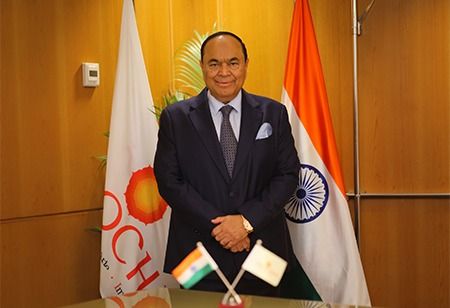
Minister of Commerce and Industry Piyush Goyal is on a two-day trip to the EU; during which he met with the EU Trade and Economic Security Commissioner Maros Sefcovic to talk about a win-win FTA.
“During this dialogue, we deliberated across key areas of the proposed agreement. We reaffirmed our commitment to a rules-based trading framework and a modern economic partnership that safeguards the interests of farmers and MSMEs while integrating Indian industries into global supply chains”, Goyal stated.
These ministerial discussions were preceded by a week of intensive deliberations, which had already begun with the meeting of India’s Commerce Secretary Rajesh Agrawal and the European Commission’s Director General for Trade, Sabine Weyand.
Both sides are eager to wrap up the talks pretty soon, particularly in light of the India-EU Summit set for January 27, with the presence of the most senior EU officials who will also be participating in India’s Republic Day festivities on January 26.
Also Read: India-New Zealand FTA Sealed, Zero Duty on All Goods Exports
Agrawal has stated that negotiations, which were re-started in June 2022 after a nine-year-break, are now going through the most difficult stage. A total of sixteen rounds have taken place so far.
India is asking for complete tariff-free access for sectors that employ many workers, such as textiles and leather, while the EU is asking for previous tariffs to be lowered on cars, medical devices, wine, spirits, meat, and poultry, together with a strong intellectual property framework.
India’s trade with the EU amounted to USD 136.53 billion in 2024-25, where exports were USD 75.85 billion and imports USD 60.68 billion, thus the EU has become India’s biggest trading partner.
The FTA, which would cover 23 chapters including trade in goods and services, investment, intellectual property rights, government procurement, and sustainable development, might improve the competitiveness of Indian exports like garments, pharmaceuticals, steel, petroleum products, and electrical machinery in the EU market.