ONGC Plans 1.75 Million-Ton Strategic Oil Reserve in India
Synopsis: ONGC will develop a 1.75 million metric tonne strategic petroleum reserve in Mangaluru, strengthening India's emergency crude storage capacity, enhancing energy security, and improving resilience against global supply disruptions.
Oil and Natural Gas Corporation (ONGC) has Okayed the development of a new 1.75 million metric tonne (MMT) strategic petroleum reserve (SPR) in Mangaluru, Karnataka, really a big step toward bolstering India’s energy security and its emergency crude storage. This plan is ONGC’s first independently financed strategic petroleum reserve, and it is meant to make the country more ready for global supply interruptions and those geopolitical uncertainties that keep happening.
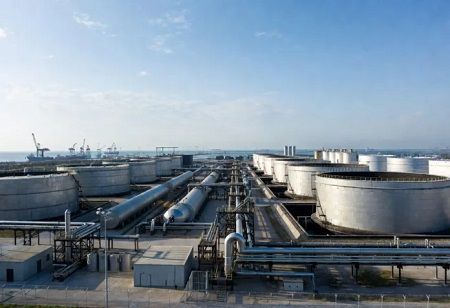
The new underground crude oil storage facility is planned to be built in Mangaluru, which is a major energy hub on India’s western coast. Once everything is up and running, the reserve is expected to lift India’s current dedicated strategic crude oil storage capacity of 5.33 MMT by roughly a third. This expansion is mostly to make sure there is enough emergency oil available during times of market volatility, during international conflicts, or when global shipping lanes get disrupted, and honestly it helps to keep the supply steadier.
The decision came about due to stronger worries on energy security, after a few recent geopolitical tensions in West Asia showed how easy it is for global oil supply lines to break. There were also brief disruptions around the Strait of Hormuz, where a big share of the world’s crude oil actually moves , and that basically highlighted why India needs bigger strategic reserves to protect its expanding energy wants. India, being the world’s third-largest importer and consumer of crude oil, still leans heavily on energy that comes from overseas.
Unlike the earlier strategic petroleum reserve initiatives that were put together via government controlled entities , this new Mangaluru facility will be designed and financed straight through ONGC. ONGC already has the land parcel that was flagged for the work, so that should make execution a bit smoother and cut down on timelines. Even though ONGC has given the nod for the project, the firm still hasn’t did not say what the overall investment amount will be, nor has it shared the likely completion time frame yet.
Also read: India, Myanmar Strengthen Security Ties at 23rd National Meeting
Industry estimates, suggest the project might have to involve an investment of roughly ₹15,000 crore or so. About ₹5,000 crore could be tied up in building the underground storage cavern , while another ₹10,000 crore may go towards acquiring crude oil and then holding it , depending on what international oil prices look like at the time. In effect, the outlay shows the strategic value of keeping adequate emergency reserves, so the economy gets some cushioning from possible supply shocks later on.
Strategic petroleum reserves are basically emergency stores that can be put to use when there are serious problems with supply, like natural disasters, geopolitical tensions or sudden surges in crude oil prices. Keeping enough of these reserves helps governments keep domestic fuel availability steadier, reduce price ups and downs, and still allow critical industries, plus transport systems to keep running without interruptions during hard times. So expanding India’s reserve capacity is seen as a key part of the country’s longer term energy safety plan.
This project fits in with India’s bigger move to broaden where energy comes from, bolster home-grown energy infrastructure, and stay more resilient when outside market conditions get wobbly. Together with adding more renewable power, and also pushing up domestic hydrocarbon output, the boost to strategic oil reserves is still one of the main pillars in India’s energy approach. The forthcoming facility will sit alongside the existing reserves in Mangaluru, Padur and Visakhapatnam, while also giving the country a stronger way to handle future supply emergencies, even if timing gets tricky.
Energy analysts seem to think that the extra storage capacity will help India’s side, a lot, in global oil markets, mainly because the country can grab crude when prices dip, and keep bigger emergency reserves at the same time. The whole reserve also underwrites longer term energy planning, since India’s demand for petroleum products keeps climbing alongside economic growth, and the widening of industrial activity.
The go-ahead for the new strategic petroleum reserve shows how India is being pretty proactive about protecting its energy future, even while the world feels more and more uncertain. By boosting emergency crude stockpiles via the ONGC-led project, the country is trying to bring up energy resilience, reinforce supply security, and also back steady economic progress for the long run.