
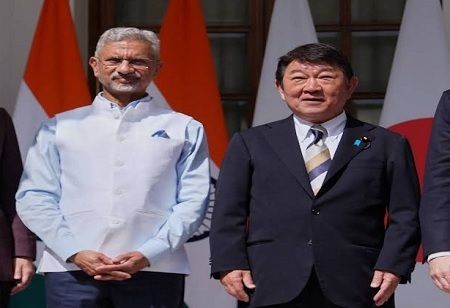
India, Japan Discuss Energy Supply Stability Measures
Synopsis: India and Japan discuss coordinated measures to address energy supply disruptions, strengthen fuel security, diversify sourcing strategies, and expand clean energy cooperation amid global market instability.
India and Japan are strengthening energy cooperation and discussing coordinated measures to address global energy supply disruptions amid rising geopolitical tensions and volatility in international fuel markets. Officials from both countries are focusing on improving energy security, supply chain resilience, and stable access to critical energy resources.
The discussions took place during high-level bilateral engagements involving policymakers and energy officials from both nations. Areas of focus included crude oil supply diversification, liquefied natural gas availability, clean energy cooperation, strategic reserves, and long-term energy transition planning.
Both countries remain heavily dependent on energy imports, making supply disruptions in regions such as the Middle East a significant concern for economic stability and industrial operations. Recent tensions around key shipping routes, including the Strait of Hormuz, have increased worries about fuel availability, transportation costs, and energy price volatility across Asia.
India and Japan are exploring mechanisms to improve coordination during supply disruptions through diversified sourcing strategies, stronger maritime logistics cooperation, and increased collaboration in energy infrastructure development. Officials are also discussing opportunities to strengthen emergency preparedness and energy resilience frameworks.
Also Read: India, US Sign Critical Minerals, Rare Earths Pact
Clean energy collaboration emerged as another major focus area during the discussions. India and Japan are expanding cooperation in hydrogen technologies, ammonia fuel, renewable energy systems, battery storage, and decarbonisation initiatives as both nations pursue long-term energy transition goals. Analysts believe green energy partnerships could reduce future dependence on volatile fossil fuel imports.
The two countries have already developed strategic cooperation in sectors such as semiconductors, infrastructure, mobility, and advanced manufacturing. Experts say energy security is now becoming an increasingly important pillar of the broader India-Japan strategic partnership within the Indo-Pacific region.
Japan has been actively investing in energy transition technologies and resilient supply chains, while India continues expanding renewable energy capacity, strategic petroleum reserves, and global energy sourcing partnerships. Industry observers note that both countries share common concerns regarding maritime security, supply chain concentration, and geopolitical instability affecting energy markets.
The discussions also reflect wider global efforts by major economies to strengthen coordination on energy resilience amid increasing uncertainty in global trade and fuel supply systems. Analysts believe strategic partnerships between energy-importing nations could become more important as countries navigate future disruptions linked to conflicts, climate risks, and shifting geopolitical dynamics.