
World Bank Approves $890 Million for India Rooftop Solar
Synopsis: The World Bank has approved an $890 million financing package for India's PM Surya Ghar programme to accelerate rooftop solar adoption, expand clean energy access, create jobs, and mobilise billions in private investment.
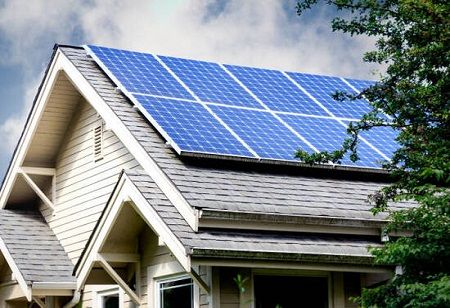
The World Bank has approved an $890 million financing package to support the expansion of India's flagship PM Surya Ghar: Muft Bijli Yojana, providing a major boost to the countries clean energy transition. The funding is aimed at accelerating rooftop solar installations across millions of households, improving access to affordable electricity, and advancing India's renewable energy goals while reducing dependence on conventional fossil fuels.
The financing package comprises an $820 million loan from the International Bank for Reconstruction and Development (IBRD), a $60 million concessional loan from the Clean Technology Fund, and a $10 million grant from the IBRD Livable Planet Fund. In addition to the direct financing, the programme is expected to mobilise nearly $4.2 billion in private investment, significantly expanding the availability of financing for residential rooftop solar installations across the country.
The PM Surya Ghar: Muft Bijli Yojana seeks to install rooftop solar systems in 10 million households, enabling families to generate their own electricity, reduce monthly power bills, and contribute surplus electricity to the grid where applicable. The initiative supports the government's vision of increasing renewable energy adoption while making clean energy more affordable and accessible to both urban and rural households.
According to the World Bank, the programme is expected to generate around 1.7 million jobs across the renewable energy value chain. Employment opportunities are likely to emerge in solar panel manufacturing, installation, engineering, maintenance, financing, logistics, and technical services, providing a significant boost to India's growing green economy.
Also read: Karnataka plans to attract 500 new GCCs, 3.5 lakh jobs by 2029
The initiative also aims to strengthen India's domestic solar ecosystem by improving access to affordable financing, encouraging private sector participation, and expanding the market for rooftop solar equipment and related services. Greater adoption of residential solar systems is expected to stimulate local manufacturing, support innovation, and enhance the competitiveness of India's renewable energy industry.
The World Bank has been a long-standing partner in India's renewable energy journey. Over the past decade, it has supported the country's rooftop solar sector through financing and technical assistance, helping expand installed rooftop solar capacity from approximately 500 MW to more than 27 GW. The latest funding builds on these earlier initiatives by accelerating deployment at a much larger scale.
The programme aligns with India's broader climate commitments, including increasing the share of non-fossil fuel energy sources, reducing greenhouse gas emissions, and achieving net-zero emissions by 2070. Expanding rooftop solar capacity will also reduce pressure on conventional power generation, improve energy security, and encourage decentralised electricity production across the country.
Industry experts believe the World Bank's financing will help overcome key barriers to rooftop solar adoption, particularly the availability of affordable consumer financing. Increased participation by commercial banks and financial institutions is expected to make rooftop solar systems more accessible to households while accelerating market growth and private investment in the sector.
The approval of the $890 million financing package represents a significant milestone in India's renewable energy transition. By supporting large-scale rooftop solar deployment, mobilising private capital, creating employment, and expanding clean electricity access, the programme is expected to strengthen India's position as a global leader in sustainable energy while contributing to long-term economic and environmental goals.