Eco-Friendly Material Engineering to Replace Traditional Plastics
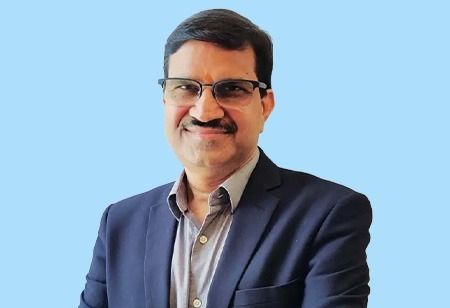
Sanjay Gupta, Senior Vice President, Packaging, DS Group in an interaction with India Manufacturing Review magazine shared his views on how industry leaders can scale eco-friendly material engineering without compromising performance or profitability, what sustainable material innovations are closest to commercial readiness for replacing conventional plastics, how important is supply-chain readiness in adopting plastic alternatives at scale.
How can industry leaders scale eco-friendly material engineering without compromising performance or profitability?
Industry leaders can scale eco-friendly material engineering by taking a pragmatic approach to sustainability particularly in the FMCG sector, where performance is non-negotiable. Critical factors such as shelf life, safety and structural strength must be preserved. As a result, companies are focusing on smarter packaging design: reducing overall material usage, simplifying pack structures and eliminating unnecessary layers, while prioritizing materials that run efficiently on existing manufacturing machinery.
Profitability is supported through lightweighting initiatives, logistics optimization and long-term supplier partnerships, with unit costs declining as production volumes scale. From an ESG perspective, efficient material use lowers ecological debt while ensuring sustainability efforts remain commercially viable rather than cost-prohibitive.
What sustainable material innovations are closest to commercial readiness for replacing conventional plastics?
Several sustainable material innovations are already close to or fully at commercial readiness. Recycled plastics such as rPET (recycled Polyethylene Terephthalate) and rHDPE (recycled High-Density Polyethylene) have become mainstream, particularly in bottles and rigid packaging applications. Paper-based packaging and molded fiber trays are also performing well across multiple FMCG categories, offering viable alternatives where barrier and strength requirements can be met.
In flexible packaging, mono-material structures are gaining traction as they improve recyclability and align with PWM regulations (Plastic Waste Management regulations). While compostable materials continue to advance, widespread adoption is still limited by gaps in composting infrastructure. Overall, the industry’s focus remains on solutions that are practical, scalable and safe prioritizing real-world performance over materials that appear sustainable only in theory.
How important is supply-chain readiness in adopting plastic alternatives at scale?
Supply-chain readiness is a critical factor in successfully adopting plastic alternatives at scale. In India, while recycling systems are improving, consistency and quality remain uneven, which can affect both pricing and material availability. To address these challenges, FMCG companies are investing in waste collection initiatives, partnering closely with recyclers, and building localized supply ecosystems.
Plastic Waste Management (PWM) regulations have further accelerated collaboration across the value chain. Strengthening domestic supply chains also reduces dependence on imports - a key consideration given geopolitical uncertainties surrounding oil-based raw materials - ensuring that sustainable packaging solutions are both reliable and scalable.
What ROI and long-term cost benefits can enterprises expect from transitioning to eco-friendly materials?
Enterprises transitioning to eco-friendly materials can expect meaningful long-term ROI despite higher initial investments. Lightweight and optimized packaging designs help reduce transportation and logistics costs, while increased use of recycled materials lowers dependence on virgin plastics and reduce exposure to raw material price volatility. According to Packaging Market Insights, the India eco-friendly food packaging market size was valued at USD 8.76 Billion in 2024 and is projected to reach USD 16.42 Billion by 2033, growing at a CAGR of 7.2% during the forecast period.
Beyond operational savings, strong ESG performance builds investor confidence and strengthens consumer trust, contributing to long-term brand equity. Early adoption also helps companies stay ahead of evolving regulations such as Plastic Waste Management (PWM) and Extended Producer Responsibility (EPR) rules, minimizing future compliance risks. Over time, sustainable packaging delivers cost stability, brand resilience and improved risk management - critical benefits in a fast-changing global environment.
How regulatory pressures and ESG are mandates reshaping material-engineering strategies across industries?
Regulatory measures such as plastic bans, Extended Producer Responsibility (EPR) and mandatory ESG disclosures have made sustainability a non-negotiable priority across industries. As a result, packaging and material-engineering teams are now involved from the earliest stages of product design rather than at the end of the development cycle.
Companies are increasingly tracking key metrics such as recyclability, recycled content and carbon footprint, which is driving a shift toward simpler, more recyclable material designs. Plastic Waste Management (PWM) rules are enforcing greater accountability, but they are also enabling organizations to reduce waste and long-term ecological debt. Today, compliance is no longer viewed as a burden; it is actively guiding smarter, more responsible engineering decisions.
What partnerships between manufacturers, startups, and research institutions are driving breakthrough plastic alternatives?
Collaboration across manufacturers, startups, and research institutions is proving essential for advancing plastic alternatives. FMCG companies are partnering with institutes like the Indian Institutes of Technology (IIT) to explore material science, enhance barrier performance and conduct recyclability testing. Organizations such as the Indian Institute of Packaging (IIP) support research, standards development and technical guidance for sustainable packaging.
Industry bodies like CII and PHDCCI play a crucial role by bringing together companies, startups, policymakers and academia on a common platform. These partnerships accelerate strengthen industry–academia alignment and help move innovations from the lab to the factory floor, reduce implementation risks and ensure that sustainable solutions are both practical and scalable.
How is industry–academia alignment shaping India’s sustainable manufacturing outlook?
India is at a pivotal stage in sustainable manufacturing, with strong academic institutions, expanding manufacturing capacity and clear policy direction creating a unique opportunity to lead in sustainable packaging. Collaboration between industry and academia is helping develop India-specific solutions rather than relying on imported models, ensuring that innovations are tailored to local needs and conditions.
This alignment drives research, skill development and faster commercialization of sustainable technologies. Over time, it strengthens India’s ESG credentials, enhances competitiveness and makes the manufacturing sector more resilient in an increasingly complex and geopolitically uncertain global environment.
How can companies future-proof their products by investing early in sustainable material engineering?
Investing early in sustainable material engineering allows companies to experiment, learn and optimize solutions over time rather than reacting to sudden regulatory changes or supply disruptions. Flexible packaging designs and adaptable manufacturing machinery make it easier to implement future improvements without major overhauls.
Early adopters also gain better access to recycled materials and build stronger relationships with sustainable suppliers. Today’s environment is shaped by ESG expectations, ecological responsibility and geopolitical uncertainties. This makes sustainable packaging not only ethically responsible but also a strategic move that future-proofs products and strengthens long-term competitiveness.