
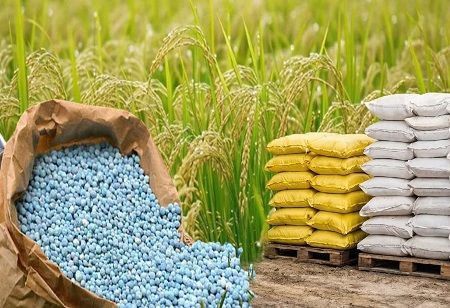
Cabinet Approves ₹62,370 Crore Fertiliser Subsidy for Rabi
The Union Cabinet approves ₹62,370 crore in P&K fertiliser subsidies for Rabi 2026-27, a 64% increase to maintain affordable supplies for farmers amid rising global prices.
The Union Cabinet has approved a fertiliser subsidy allocation of ₹62,370.02 crore for the Rabi 2026-27 season to ensure the availability of phosphatic and potassic (P&K) fertilisers to farmers at affordable prices. The decision, announced on November 11, 2026, increases the subsidy allocation by approximately ₹24,417.73 crore compared with the ₹37,952.29 crore approved for the previous Rabi season, representing a rise of around 64%.
The approved subsidy rates will remain applicable from October 1, 2026, to March 31, 2027, covering the winter crop season. The allocation falls under the government's Nutrient Based Subsidy (NBS) scheme and includes fertilisers such as Di-Ammonium Phosphate (DAP) and various Nitrogen, Phosphorus, Potash and Sulphur (NPKS) grades.
Also Read: Ethanol vs Sugar Production in India: Challenges & Opportunities
According to the Ministry of Chemicals and Fertilizers, the decision takes into account recent movements in international fertiliser prices and the costs of key inputs, including urea, DAP, Muriate of Potash (MOP) and sulphur. Disruptions to global supply chains and geopolitical developments have increased fertiliser prices and import costs, creating additional pressure on the government's subsidy expenditure.
Union Information and Broadcasting Minister Ashwini Vaishnaw said the government would provide the required financial support to protect farmers from rising international prices. The subsidy will be transferred to fertiliser manufacturers and importers according to the approved rates, enabling them to make products available to farmers at subsidised prices.
The government currently provides 28 grades of P&K fertilisers, including DAP, through manufacturers and importers under the NBS framework. Introduced on April 1, 2010, the scheme determines subsidies based on the nutrient content of eligible fertiliser products. The rates are periodically reviewed to reflect changes in global market prices and input costs.
The latest approval increases the financial commitment towards nutrient-based fertiliser support for the current financial year. According to Reuters, the combined subsidy requirement for the winter and summer crop seasons has reached approximately ₹1.04 lakh crore, nearly 92% higher than the ₹54,000 crore initially budgeted for nutrient-based subsidies in 2026–27. The overall fertiliser subsidy budget, including support for urea, stands at ₹1.7 lakh crore.
Also Read: Revolutionizing The Automotive Industry With SDV & HPC Technologies
The decision is intended to maintain the supply of essential agricultural inputs during the Rabi season, when farmers cultivate crops such as wheat, mustard and pulses. By adjusting subsidy rates in response to international market conditions, the government aims to limit the impact of higher input costs on agricultural production and support the availability of fertilisers across the country.