Centre Extends Duty Waiver on 40 Petrochemicals Till July 15
Synopsis: The Centre extends the import duty waiver on 40 critical petrochemical products until July 15 to ensure supply stability amid the West Asia crisis, supporting manufacturers and easing input costs across key industries.
The Central Government has now extended the complete customs duty exemption for imports of 40 critical petrochemical products until July 15, so it keeps giving that ongoing relief to domestic industries that are getting hit by supply chain disruptions, linked to the ongoing West Asia crisis. This extension was announced by the Ministry of Finance and it’s basically meant to keep essential industrial inputs available without any interruptions. In the background the intent is also to nudge manufacturing activity in several sectors, not just one, while the situation is still a bit uncertain.
The customs duty waiver was introduced on April 2, as a temporary measure and it was scheduled to end on June 30. Since global supply chains are still kind of recovering and, you know, not fully back on track, the government has decided to extend the exemption for another 15 days. This is meant to help with a smoother transition, so companies can adjust while market conditions gradually improve.
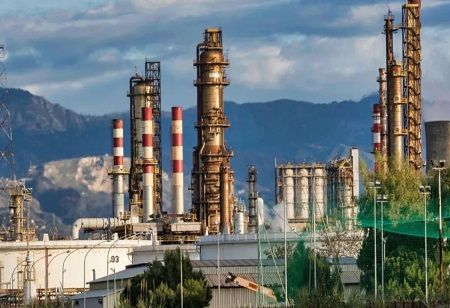
The exemption covers about 40 key petrochemical products, including methanol anhydrous ammonia toluene styrene dichloromethane (methylene chloride), vinyl chloride monomer, polybutadiene, styrene butadiene and unsaturated polyester resins. These materials act as critical raw stuff for a broad set of manufacturing industries, so they’re kind of crucial in everyday production.
The duty relief is anticipated to do some good for sectors like plastics, packaging, textiles, pharmaceuticals, chemicals, automotive components and a few other making industries that lean on petrochemical feedstocks, and those intermediates. By trimming import costs the move is supposed to soften input cost pressures, keep production running more steadily, and support competitive pricing.
Also read: UPI Expands to Greece, Accelerating Global Digital Payments
The government says that the original exemption got put in place after domestic petroleum companies were told to prioritize liquefied petroleum gas, or LPG, production during a spell of heightened geopolitical tensions. That move apparently trimmed the availability of some petrochemical products inside the country. The temporary import duty waiver, kind of helped bridge that supply gap, making sure there was still enough of the critical inputs, to keep things moving.
Even though the security situation in West Asia has started to settle down a bit, global logistics and shipping networks keep getting hit with disruptions. The government thinks that if they extend the waiver, but only for a limited stretch, it should reduce supply disruptions for the downstream industries. At the same time it allows regular trade conditions to come back, slowly, rather than all at once.
India is still a big buyer of petroleum products, fertilisers, and a number of petrochemical derivatives, and honestly it feels like that trend will go on. Even with everything going on, the continued uncertainty about shipping routes and the wider global energy markets has made reliable access to industrial raw materials way more important than before. The extension is expected to help with production planning, while also keeping the supply chain steadier across manufacturing sectors, sort of like a safety net, if you will.
The Finance Ministry says, again, that this measure is about the government’s commitment to help domestic manufacturing, and keep things steady for critical industrial inputs. The extension should also give a kind of indirect relief to consumers, because it can help manufacturers rein in production costs, and keep a steady flow of products available.
The decision really highlights India’s more proactive, almost “on the move” stance for dealing with the effects of geopolitical disruptions on domestic industries. And by pushing the customs duty exemption out until July 15, the government is trying to juggle supply assurance, industrial competitiveness, and broader economic stability, all the while keeping a close watch on what’s happening in global markets. Still, it feels like it’s meant to stay flexible, you know, as developments unfold.