
IOC LPG Cargoes Cross Hormuz Safely Amid Crisis
Synopsis: Indian Oil Corporation confirms safe passage of LPG cargoes through the Strait of Hormuz as the government assures stable fuel supplies despite rising geopolitical tensions in West Asia
Indian Oil Corporation has confirmed that its liquefied petroleum gas (LPG) cargoes have safely crossed the Strait of Hormuz despite escalating geopolitical tensions in West Asia, while the Indian government assured that domestic fuel supplies remain stable and adequately stocked. The development comes amid growing global concerns over potential disruptions to energy shipments through one of the world’s most critical maritime trade routes.
Government officials stated that India currently maintains sufficient reserves of petroleum products and LPG to meet domestic demand, with authorities closely monitoring the evolving situation in the Gulf region. The reassurance follows heightened fears of shipping disruptions and rising insurance costs linked to ongoing military tensions involving Iran and other regional actors.
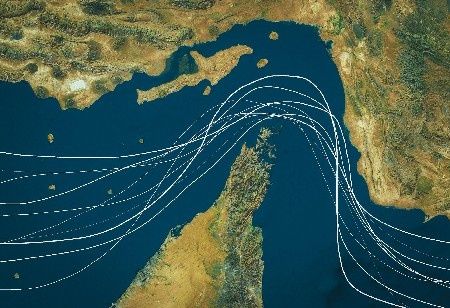
According to reports, Indian Oil’s cargo movement through the Strait of Hormuz proceeded without operational interruptions, helping ease immediate concerns regarding LPG availability in India. The Strait of Hormuz remains a strategically vital shipping corridor through which a significant share of global crude oil and LNG exports pass daily.
Also Read: India Oil Firms Lose ₹30,000 Cr Amid Fuel Price Freeze
Petroleum Minister Hardeep Singh Puri recently stated that India holds crude oil reserves sufficient for around 69 days and LPG stocks capable of meeting demand for approximately 45 days. The government has also been diversifying energy import sources and strengthening strategic petroleum reserves to improve resilience against global supply shocks.
Industry experts noted that while immediate supply disruptions have been avoided, prolonged instability in West Asia could continue to increase freight costs, crude prices, and shipping insurance premiums. Countries heavily dependent on energy imports, including India, remain vulnerable to extended disruptions in Gulf maritime routes.
Analysts believe India’s current energy inventory levels and diversified sourcing strategy may help cushion short-term supply risks, though sustained geopolitical tensions could eventually influence domestic fuel pricing and inflation trends.