Coal India Eyes Global Rare Earth Mining in Australia
- Coal India explores rare earth mining partnerships in Australia, Russia, Africa to cut China reliance.
- BCCL uses IPO proceeds to fund rare earth ventures and expand global mining footprint.
- Planned acquisitions include Australian and Russian coking coal mines to ramp up production capacity.
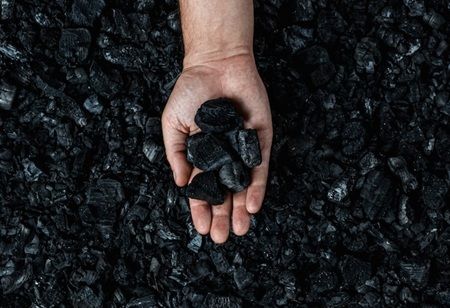
Coal India Ltd, through its coking coal-focused subsidiary Bharat Coking Coal Ltd (BCCL), is making an ambitious push into the global rare earth elements (REEs) sector by exploring mining partnerships and acquisitions in Australia, Russia and several African countries, among others. This strategic move aims to help India diversify and secure supply chains for critical minerals that are crucial to high-tech industries such as electronics, electric vehicles and renewable energy, sectors that currently depend heavily on Chinese supply dominance.
BCCL Chairman and Managing Director Manoj Kumar Agarwal explained that these ventures are at an early stage but signify a larger effort to tap global rare earth resources by collaborating with both foreign partners and domestic state-run firms. Alongside potential overseas mining deals, BCCL is planning to work with Indian entities including Indian Rare Earths Ltd (IREL), Khanij Bidesh India Ltd and Hindustan Copper to build capabilities within the country.
The initiative aligns with India’s broader goal of reducing reliance on Chinese-controlled rare earth supply chains, especially following Beijing’s expansion of export curbs on rare earths in late 2025.
Also Read: How Energy Ecosystems Are Reshaping India's Manufacturing Edge
Funds for these explorations and partnerships will be partly drawn from BCCL’s recent $119 million initial public offering (IPO), which was massively oversubscribed. The company plans to list soon and intends to expand not just into rare earths but also strengthen its core coking coal business. As part of this growth strategy, BCCL is looking to acquire coking coal mines in Australia and Russia over the next two to three years and boost its production capacity from around 40.5 million tonnes per annum to 56 million tonnes by fiscal 2030.
Industry observers see this dual focus on rare earths and coal as a move to support India’s infrastructure and industrial expansion while ensuring access to strategic minerals critical for future technologies.