How Energy Ecosystems Are Reshaping India's Manufacturing Edge
India’s manufacturing competitiveness is increasingly being shaped by how intelligently energy is generated, converted, stored, managed, and consumed. As manufacturing scales across automotive, electronics, logistics, and process industries, energy is no longer a background utility. It has become a strategic foundation for productivity, resilience, and long-term growth.
This shift marks a clear departure from the traditional approach of deploying isolated pieces of equipment. Manufacturing leaders are now focusing on building complete energy infrastructure chains, integrated systems designed to deliver reliability, efficiency, sustainability, and future readiness across their operations.
Across factories, industrial parks, logistics hubs, and emerging mobility ecosystems, energy infrastructure is evolving into a coordinated architecture that links central inverters, power conditioning systems (PCS), battery energy storage systems (BESS), energy management systems (EMS), and ultra-fast DC EV charging. Together, these elements are redefining how manufacturers think about competitiveness.
Energy Infrastructure as a Strategic Foundation
Energy has always been a significant operating cost. What has changed is its strategic importance. Volatile tariffs, grid variability, sustainability expectations, and the demand for uninterrupted operations have brought energy decisions firmly into core business planning.
An integrated infrastructure approach changes this equation. Central inverters enable large-scale renewable integration, converting generated power efficiently for industrial use. PCS maintains power quality and stability across diverse loads. BESS adds flexibility by absorbing fluctuations, managing peaks, and providing backup. EMS brings intelligence, enabling real-time monitoring, optimization, and informed decision-making. Increasingly, ultra-fast DC EV chargers are becoming a critical extension of this ecosystem, supporting electrified logistics, fleet operations, and employee mobility.
For manufacturing leaders, the value of integrated energy infrastructure is ultimately measured in outcomes that is lower exposure to energy cost volatility, improved uptime, and greater predictability in operations. As energy becomes a controllable variable rather than an external risk, it directly supports productivity, quality, and margin stability.
When these technologies are engineered together rather than deployed independently, energy becomes predictable, controllable, and aligned with operational goals.
Reliability Is Engineered Across the Chain
Manufacturing reliability today depends on more than contingency backup. It depends on how seamlessly the entire energy chain functions.
In an integrated setup, central inverters and PCS ensure stable voltage and frequency, protecting sensitive equipment and production lines. BESS responds instantaneously to grid disturbances and load variations. EMS continuously analyzes system performance, identifies risks early, and enables preventive action instead of reactive intervention.
What is increasingly visible across Indian manufacturing is a shift from reactive resilience to design-led reliability. Manufacturers are embedding resilience into infrastructure architecture from the outset, reducing downtime, improving process consistency, and strengthening overall operational confidence.
Sustainability Delivered Through System Design
Sustainability commitments are now closely tied to operational credibility. Customers, investors, and regulators expect measurable outcomes, not intent statements.
Integrated energy infrastructure enables this transition at scale. Renewable energy routed through high-efficiency central inverters and balanced by BESS directly reduces emissions. EMS provides transparency by tracking consumption, optimizing performance, and enabling accurate reporting. PCS minimizes losses across power flows, ensuring efficiency throughout the system.
The inclusion of ultra-fast DC EV charging further extends sustainability beyond the factory gate, supporting the electrification of transport and logistics and reducing dependence on fossil fuels across the value chain.
When sustainability is designed into the system rather than added later, it becomes both achievable and scalable.
From Isolated Assets to Integrated Ecosystems
One of the most significant changes in recent years is how manufacturers define their energy needs. The focus has decisively shifted from individual products to integrated ecosystems.
Manufacturers increasingly seek energy infrastructure that can grow with their business, systems that scale, adapt to regulatory change, and integrate new technologies without disruption. This is only possible when central inverters, PCS, BESS, EMS, and EV charging infrastructure are conceived as parts of a unified architecture rather than standalone assets.
A Limited but Important Policy Context
Policy alignment plays a supporting role in accelerating this transition. Continued emphasis on grid modernization, integrated renewable and storage projects, and domestic manufacturing of power electronics and energy storage technologies can help scale adoption.
Equally important is enabling intelligent energy management and electrified mobility infrastructure, including EV charging, as part of broader industrial energy planning. While policy can accelerate progress, the shift toward integrated energy ecosystems is already market-led driven by operational risk, cost volatility, and sustainability accountability.
Looking Ahead
The future of Indian manufacturing will be shaped by how intelligently energy infrastructure is planned and deployed. Competitiveness will not come from isolated upgrades, but from systems designed to work together seamlessly.
When central inverters, PCS, BESS, EMS, and ultra-fast DC EV chargers are integrated into a single energy ecosystem, manufacturers achieve lower operating costs, higher reliability, and credible sustainability outcomes. These priorities do not compete with one another, they reinforce each other.
The shift from equipment to ecosystems is already underway. Those who embrace it early will be best positioned to compete, scale, and lead the next phase of India’s manufacturing growth.
About the Author:
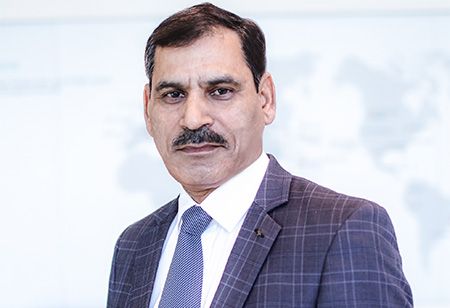
Mr. Rajesh Kaushal is responsible for leading the comprehensive portfolio of the Energy Infrastructure Solutions (EIS) Strategic Business Platform for India and the SAARC region at Delta Electronics India. This portfolio includes MW-scale Energy Management Solutions such as Solar Inverters, Wind Converters, EV Charging Infrastructure, Power Quality Solutions for Railways and Industry, Battery Energy Storage Systems (BESS), and High-End Display Solutions. These offerings address industry mega trends, focusing on the growing demand for sustainable and energy-efficient technologies.