Dredging Corp, Colombo Dockyard Sign MoU on Maritime Tie-Up
- DCIL, Colombo Dockyard sign MoU on maritime cooperation
- Focus on ship repair, dry-docking, and shipbuilding
- Boosts India–Sri Lanka maritime and regional collaboration
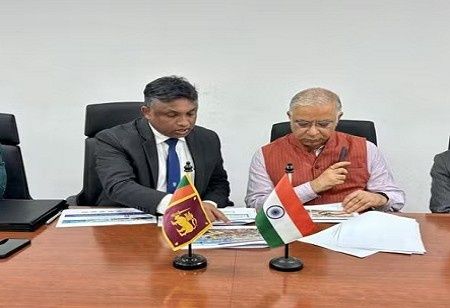
Dredging Corporation of India Limited (DCIL) and Colombo Dockyard PLC have concluded a Memorandum of Understanding (MoU) to bolster maritime cooperation, a major move to extend India-Sri Lanka partnership in the shipping and shipbuilding sectors. The MoU has set a strategic alliance with the core focus on ship repair, maintenance, and shipbuilding operations.
The union of DCIL's dredging vessels and expertise in operations with the ship repair and shipbuilding facilities at Colombo Dockyard will be used to come up with comprehensive solutions for vessel servicing and maritime operations. Indicated in the MoU is a major facet of providing dry-docking and repair services for DCIL's fleet at Colombo Dockyard premises.
Besides that, the two parties will together investigate the possibility of manufacturing specialized dredgers and offshore support vessels, thus leading the way from maintenance to co-development and production. Besides technical collaboration and knowledge exchange, which is slated to raise operational effectiveness and fleet modernization, this alliance will also jointly work on developing human resources and innovation.
Also Read: Indian Envoy, Nepal FM Hold Talks on Bilateral Ties
By taking advantage of each other's skills, the two companies want to enhance lifecycle management of vessels and at the same time, open up new avenues in maritime engineering and infrastructure development. On a larger scale, this pact is an indication of the South Asian countries' growing regional cooperation, particularly in the maritime sector. The development of ship repair and shipbuilding capabilities is very important to trade, port operations, and offshore activities - all are fundamentally linked to the economic progress of the region.
The MoU corresponds to the initiatives of creating a reliable, resilient, and integrated maritime ecosystem between India and Sri Lanka. Besides, from the strategic point of view, such collaboration not only gives a bigger maritime footprint in the Indian Ocean region to India but also strengthens India-Sri Lanka bilateral relations.
As global shipping and logistics networks keep encountering higher demands and pressures, it's expected that these kinds of partnerships will help a lot in upgrading the infrastructure capabilities and in continuing the operations smoothly. All in all, the MoU is a step into the future when it comes to maritime cooperation. It blends infrastructure, technology, and expertise to empower regional capabilities and aid the shipping industry's long-term growth.