How India Secured Hormuz Passage for Gas Tankers: Jaishankar
- India holds talks with Iran to reopen Strait of Hormuz.
- Diplomacy helps Indian LPG tankers cross safely.
- Shipping handled case-by-case amid ongoing conflict.
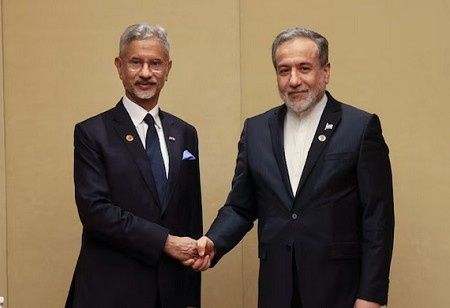
India pushes quietly through talks with Iran, aiming to reopen ship paths in the Strait of Hormuz - a key passage for world oil now rattled by unrest across West Asia. Speaking recently, Foreign Minister S. Jaishankar noted that conversations straight with Tehran have sparked small gains so far, yet more steps must follow if progress is to hold.
Talks started because Iran blocked ships from passing through the waterway when tensions in the area got worse. One out of every five barrels of oil moving by sea crosses the Strait of Hormuz, placing it among Earths key shipping lanes for fossil fuels. Problems here sent alarms worldwide over possible shortages at pumps and higher costs at refineries. Safe passage for Indian LPG ships through the strait came not from force, but quiet talks.
Because of conversations between New Delhi and Tehran, tankers moved without incident. Diplomacy, not warships, cleared the way. Jaishankar pointed out that contact made the difference. The route opened after dialogue did its work. What mattered most was messages exchanged, not weapons shown.
Also Read: Australia-India Green Steel Push With Agri Waste Trial
Officials say there’s no universal agreement ensuring passage for every ship. Movement is decided individually, with ongoing talks to keep Indian energy shipments safe. India has stayed in consistent communication with Iran to handle the changing situation and protect its energy needs.
It’s still unclear how the wider regional conflict will affect shipping and global oil markets. India’s continued engagement shows how conversation helps keep supply chains stable, especially for nations relying on imported fuel. This mean all countries will have to adjust their energy plans, probably not, but it tends to create more pressure on current routes.