India, China Boost US LPG imports amid West Asia Risks
- India, China shift LPG sourcing from West Asia to US
- Gulf exports drop sharply amid geopolitical tensions
- Supply shift raises costs, strains logistics and industry
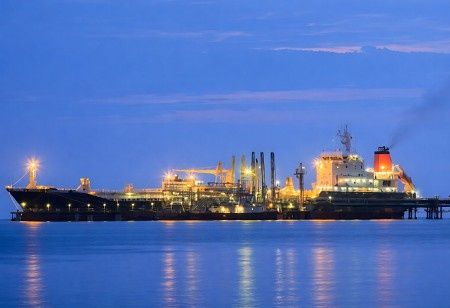
India and China are massively boosting their liquefied petroleum gas imports from the United States and other parts of the world in a bid to make up for dramatic supply disruptions from West Asia through which these two countries were sourced most of the time. This highlights a major shift in global energy sourcing patterns.
The change has been quickly precipitated by a steep reduction in the LPG exports of West Asia which has always been the main area of supply for Asia following the intensification of the geopolitical tensions in the regions. In March 2026, exports from the region declined by nearly 73% to approximately 419,000 barrels per day, thereby creating a significant supply gap for major importers such as India and China.
As a result, both countries are rapidly switching to different procurement sources, with the United States, also Norway, Canada, and other markets being their increased suppliers. US LPG exports are set to hit a record-high of 2.7 million barrels per day in April, of which nearly two-thirds of that volume would be going to Asia. This increase is a reflection of a wider shift in the energy trade flows as Asian economies are resulting to supply the shocks that the Gulf supplies them with.
Also Read: India, Japan discuss West Asia tensions, Hormuz Strait
However, shifting transition is still facing limitations. Logistics issues continue to be a critical challenge, because cargoes that are dispatched from the US Gulf Coast to Asia require more than 30 days this being a time period more than twice the one from West Asia.
Besides, the US export infrastructure is currently running at almost full capacity, thereby depriving it of the capability of completely displacing Middle Eastern supplies in the short run. Supply shock has triggered ripple effects both in industries and domestic sectors.
Asian petrochemical companies have had to scale down their production as a result of input cost increase, on the other hand, LPG prices have gone up causing consumers to suffer from an increase in their financial costs. In India, demand for cooking gas dropped in March as shortages and price fluctuations caused change in consumption patterns.
From a strategic perspective, the development underscores the vulnerability of Asian economies to disruptions in West Asia, particularly given their heavy reliance on the region for energy imports. It also highlights an accelerating trend toward diversification of supply sources, even if such alternatives come with higher costs and logistical complexities.