India, Germany Deepen Cooperation in Semiconductors, Green Tech
- India and Germany will deepen ties in semiconductors, green energy, and clean mobility during Merz’s 2026 visit
- New deals support India’s chip ambitions and offer German firms a China-plus-one base
- Partnerships will expand green hydrogen, EVs, and clean tech cooperation
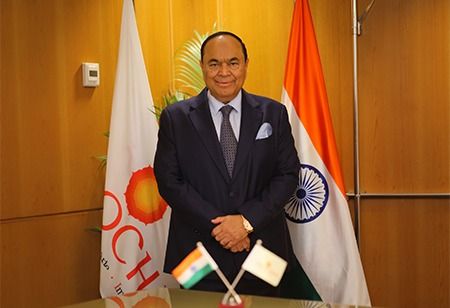
India and Germany are set to cooperate more closely in areas like the semiconductor, green energy, and mobility sectors, with German Chancellor Friedrich Merz's tour of New Delhi in January 2026 being the starting point for this cooperation.
The focus will be on the trade, technology, and skilled talent flows. Berlin is looking to more or less double the trade between the two countries, which is currently slightly over $50 billion, and to build a wider India-EU economic partnership through sector-focused collaboration, including getting closer to a proposed free trade agreement.
Through the visit, the countries are gradually establishing new relations that rely on their joint roadmap laid out in 2024 for innovation and technology. The roadmap had set the two countries' commitment to increase the scope of their collaboration in the areas of semiconductor manufacturing, advanced industrial production, and skilled migration.
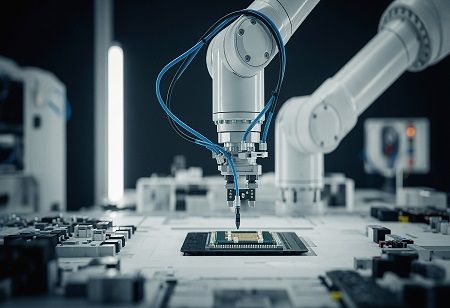
The expected package will help India realize its goal of creating a sound domestic chip ecosystem by leveraging German knowledge in equipment manufacture, precision engineering, and the educating of the workforce. At the same time, it opens up a China-plus-one strategy for German companies in terms of the location of production and the access to market.
Also Read: India, Germany Near $8 Billion Submarine Defence Deal
Green energy cooperation is going to be fast-tracked under the Indo-German Partnership for Green and Sustainable Development and the Green Hydrogen Partnership, which have been confirmed through a 2024 roadmap.
Germany is bringing in the technology and money for the infrastructure of electrolysers, hydrogen storage, and certification systems while India is supplying cheap renewable energy and huge sites for the projects. The partners jointly aspire to construct the integrated green hydrogen and ammonia value chain for both domestic use and international trade.
In clean mobility both sides are opening up dialogues and considering deals to reinforce electric vehicle ecosystems, charging networks, and battery circularity which are often in sync with wider EU-India talks. The high-level Indo-German e-mobility roundtable of late 2025 emphasized financing, skills development, and battery readiness as common priorities.
For Germany, the growing partnership means a gradual economic exposure diversification beyond China with the opening up of the market for green technologies and advanced manufacturing. On the other hand, India will be able to attract capital, acquire technology, and have access to the market that will help her move forward in her semiconductor, clean energy, and mobility goals.