India Plans $82.4 Billion Borrowing in Second Half of Fiscal Year
India plans to borrow ₹7.86 lakh crore in the second half of FY27 through 23 weekly auctions, including ₹15,000 crore in Sovereign Green Bonds and increased issuance of longer-term securities.
The Government of India plans to raise ₹7.86 lakh crore through market borrowing during the second half of the financial year 2026-27, broadly maintaining its borrowing programme amid fiscal pressures and changing liquidity conditions. The borrowing will cover the period from October 2026 to March 2027.
According to the Ministry of Finance, the government’s second-half borrowing programme includes ₹15,000 crore through Sovereign Green Bonds. The planned gross market borrowing for the full financial year stands at ₹15,99,506 crore through dated securities, compared with the Budget Estimate of ₹17.20 lakh crore.
Also Read: How India can become a Global Manufacturing Hub by 2030
The second-half borrowing will be conducted through 23 weekly auctions and will cover securities with maturities ranging from three years to 50 years. The government has allocated 6.9% of the borrowing to three-year securities, 12.1% to five-year bonds, 9.1% to seven-year bonds and 26.3% to 10-year securities.
Longer-duration securities will account for a substantial portion of the programme. The allocation includes 17.6% for 15-year securities, 9.2% for 30-year bonds, 8.9% for 40-year securities and 9.9% for 50-year bonds. The government will also continue switching and buyback operations to manage the redemption profile of outstanding debt.
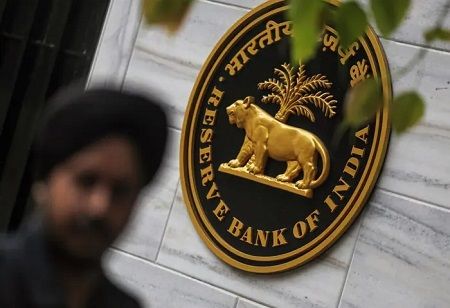
The borrowing plan comes as the Reserve Bank of India (RBI) manages elevated banking-system liquidity. The central bank has announced bond sales worth ₹1 lakh crore as part of its liquidity-draining operations, following a substantial increase in foreign-currency deposits from the Indian diaspora.
The government has also scheduled Treasury Bill issuance during the third quarter of FY27. It expects to borrow ₹23,000 crore per week across 13 auction weeks through 91-day, 182-day and 364-day Treasury Bills. The weekly issuance is divided into ₹8,000 crore through 91-day bills, ₹8,000 crore through 182-day bills and ₹7,000 crore through 364-day bills.
Also Read: The Future of India's Water Infrastructure
The government’s borrowing strategy also reflects increased reliance on longer-maturity securities. Market reports indicate that the share of longer-duration bonds has been raised compared with the first half of the fiscal year, while the allocation to shorter maturities has been reduced.
For temporary mismatches in government accounts, the RBI has set the Ways and Means Advances limit at ₹50,000 crore for the second half of FY27. The government has also retained the option to accept additional subscriptions of up to ₹2,000 crore for each security under the greenshoe provision.