Jaishankar Signs UN Cybercrime Convention for India
External Affairs Minister S. Jaishankar signs the UN Convention against Cybercrime, strengthening India's participation in a global framework for cybercrime investigations and electronic evidence sharing.
External Affairs Minister S. Jaishankar has signed the United Nations Convention against Cybercrime on the sidelines of the 81st session of the UN General Assembly in New York, marking India's formal signing of the first comprehensive global treaty focused on combating cybercrime and strengthening international cooperation.
Jaishankar signed the convention and described it as a measure to strengthen international cooperation for a safer digital environment. The convention establishes a framework for countries to cooperate in preventing and investigating cybercrime and sharing electronic evidence related to serious offences.
Also Read: How to Start a Spice Manufacturing Business
Adopted by the UN General Assembly in December 2024, the UN Convention against Cybercrime addresses crimes committed through information and communications technology systems. It also provides mechanisms for cooperation in investigations, prosecution and the exchange of electronic evidence across jurisdictions.
The treaty is intended to address the challenges created by cybercriminals operating across national borders, where law-enforcement authorities can face limitations based on domestic legal and jurisdictional frameworks. It also includes provisions related to the recovery of proceeds from cybercrime and cooperation in investigating offences covered by the convention.
The convention opened for signature in October 2025 and will remain open for signature at UN Headquarters in New York until December 31, 2026. As of September 25, the UN Treaty Collection listed 91 signatories and three parties to the convention. The treaty will enter into force 90 days after the deposit of the 40th instrument of ratification, acceptance, approval or accession.
India's signing comes as governments continue to strengthen international mechanisms for addressing cyber-enabled crimes, including offences involving digital systems, electronic evidence and cross-border criminal networks. The convention provides a common legal framework through which participating countries can coordinate their responses while applying their respective domestic laws.
Also Read: Five Major Steps To Easily Automate Your Procurement Process
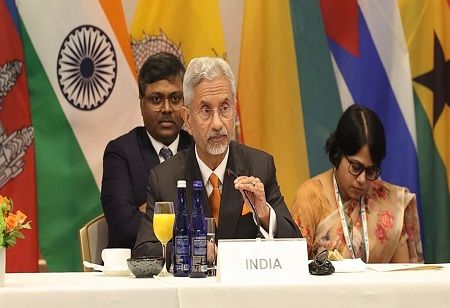
During his engagements at UNGA, Jaishankar also held talks with Russian Foreign Minister Sergey Lavrov, with the two sides reviewing bilateral relations and cooperation under BRICS. He additionally co-chaired the India-Gulf Cooperation Council Troika Ministerial Meeting, where discussions included the India-GCC Joint Action Plan 2024-28 and the launch of negotiations for an India-GCC Free Trade Agreement.
The signing places India among the countries supporting a multilateral framework aimed at improving cooperation against cybercrime and facilitating the exchange of electronic evidence in cross-border investigations.