
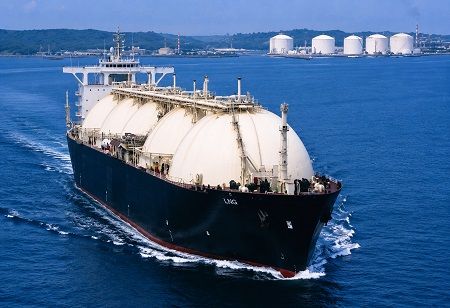
India Plans Fresh Hormuz Shipments for Oil, Gas Supply
Synopsis: India prepares to resume sending oil and gas carriers through the Strait of Hormuz to secure Middle Eastern energy supplies amid ongoing geopolitical tensions and disruptions in global shipping routes.
India is preparing to resume sending oil and gas carriers through the Strait of Hormuz to secure energy supplies from Middle Eastern producers amid continuing geopolitical tensions and disruptions in global shipping routes. The move marks a significant step in restoring critical energy imports after months of instability caused by the ongoing Iran-related conflict in the region.
According to reports, Indian authorities have finalised plans to dispatch vessels through the strategically important maritime corridor once final government approvals are secured. The Shipping Corporation of India is reportedly ready to restart operations in the Persian Gulf with support from the Indian Navy and domestic oil refiners.
The Strait of Hormuz handles nearly one-fifth of global oil flows and remains one of the world’s most critical energy transit chokepoints. Shipping activity in the region has been severely disrupted since the conflict escalated earlier this year, causing major supply uncertainties, rising freight rates, and pressure on energy-importing countries such as India.
Also Read: BII, CIP Launch $300Mn Renewable Energy Platform
India’s decision reflects growing concerns over energy security and the rising cost of sourcing crude oil and liquefied natural gas from alternative regions. Officials believe maintaining imports from traditional Middle Eastern suppliers remains more economical and logistically efficient compared to longer-distance shipments from other global producers.
To support the operation, the Indian Navy has increased its presence in the region under “Operation Urja Suraksha,” deploying additional destroyers and frigates to escort Indian-flagged ships and monitor maritime conditions around the Gulf of Oman and Hormuz corridor. The government has also introduced special marine insurance measures to ensure uninterrupted coverage for Indian cargo vessels operating in high-risk waters.
Despite some recent tanker movements through Hormuz, navigation remains highly sensitive and tightly controlled. Analysts note that only limited cargo traffic has resumed so far, with security approvals and geopolitical negotiations continuing to influence ship transits through the area.
The development highlights India’s broader strategy to stabilise energy imports while balancing economic pressures from volatile crude prices and global supply chain disruptions.