India Raises US Visa Concerns, Backs Rubio Ties
Synopsis: India raises concerns over recent US visa restrictions during talks with Secretary of State Marco Rubio, while both countries reaffirm strong strategic alignment on trade, security, technology, and Indo-Pacific cooperation.
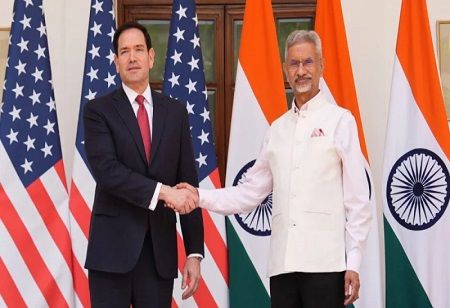
India has expressed concern over the United States’ tightening visa policies while simultaneously reaffirming strong strategic alignment with Washington during high-level discussions between External Affairs Minister S. Jaishankar and US Secretary of State Marco Rubio in New Delhi. The discussions highlight both countries’ efforts to balance growing economic and geopolitical cooperation with emerging policy differences on immigration and trade.
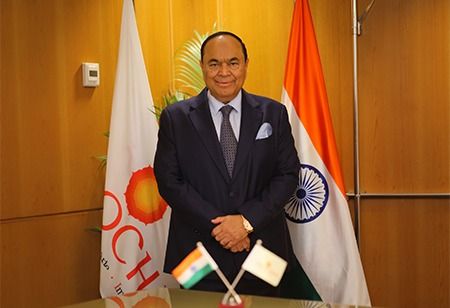
During Rubio’s first official visit to India as Secretary of State, Jaishankar raised concerns regarding the difficulties faced by legitimate Indian travellers and skilled professionals due to stricter US visa measures. He stated that while India supports cooperation against illegal migration, legal mobility should not suffer as a result of broader immigration enforcement policies. The issue holds particular significance for India’s technology sector, which relies heavily on H-1B visas for skilled workers employed in the United States.
Also read: Goyal Canada Visit Aims to Fast-Track CEPA Talks
The Trump administration has recently intensified restrictions on immigration, including higher fees and tighter rules for H-1B visas, which are predominantly used by Indian professionals. Additional measures requiring some permanent residency applicants to leave the United States for visa processing have also generated concern among Indian stakeholders and families dependent on long-term residency pathways.
Responding to India’s concerns, Rubio clarified that the immigration reforms are not specifically directed at India but are part of broader efforts to address what Washington describes as a domestic migration crisis. Rubio also rejected racist rhetoric targeting Indian immigrants and emphasized the positive contribution immigrants make to American society.
Despite differences over visas, both nations underline the strength of their strategic partnership. Rubio describes India as one of America’s most important global partners and states that both democracies remain aligned on major international challenges. Discussions between the two sides also cover trade, energy security, maritime cooperation, regional stability, and developments in West Asia.
The visit comes amid evolving geopolitical dynamics involving China, Pakistan, and the Iran conflict, areas where both countries continue to engage closely despite occasional policy divergences. Jaishankar acknowledges that differences may arise between two sovereign nations pursuing their respective “India First” and “America First” priorities, but reiterates that the broader partnership remains strong and mutually beneficial.