India-Oman CEPA Opens 98% Duty-Free Market Access
Synopsis: The India-Oman CEPA has come into force, granting duty-free access to over 98% of Indian exports and creating major opportunities for textiles, pharmaceuticals, agriculture, and MSMEs in the Gulf market.
The India-Oman Comprehensive Economic Partnership Agreement (CEPA) has officially come into effect, marking a significant milestone in bilateral economic relations and providing Indian exporters with one of the most extensive market access arrangements secured by India in the Gulf region. The agreement grants Indian goods duty-free access across 98.08% of Oman’s tariff lines, covering nearly 99.38% of India’s exports by value to the country.
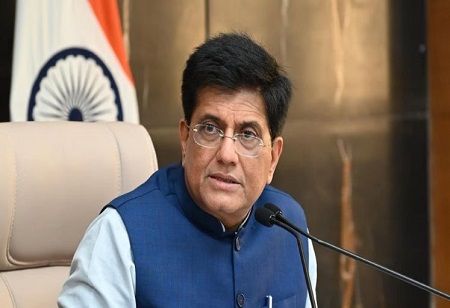
Commerce and Industry Minister Piyush Goyal described the agreement as a transformational step that will strengthen trade, investment, and economic cooperation between the two nations. The CEPA is expected to significantly improve the competitiveness of Indian products in Oman by eliminating customs duties on a wide range of goods from the first day of implementation. Earlier, only a limited share of Indian exports enjoyed duty-free treatment under the Most Favoured Nation (MFN) framework.
Several key sectors are expected to benefit from the agreement, including textiles, pharmaceuticals, engineering goods, chemicals, gems and jewellery, leather products, marine goods, food processing, and agricultural exports. Industry experts believe the removal of tariffs will create new opportunities for Indian manufacturers and exporters while strengthening India’s presence in the Gulf market. Pharmaceutical companies, in particular, are expected to gain from zero-duty access for medicines, formulations, and active pharmaceutical ingredients (APIs).
Also read: India Signs BrahMos Missile Deal With Vietnam
The agreement is also expected to provide a major boost to micro, small, and medium enterprises (MSMEs), which form a substantial part of India’s export ecosystem. Labour-intensive sectors such as textiles, footwear, leather goods, processed foods, and marine products are likely to witness increased demand and employment generation due to improved market access and pricing advantages.
Beyond merchandise trade, the CEPA includes provisions aimed at expanding cooperation in services, investments, digital trade, and professional mobility. The agreement is expected to facilitate easier movement of skilled professionals and encourage greater business collaboration between companies from both countries. Analysts view the pact as an important component of India’s broader strategy to deepen economic engagement with the Middle East and diversify export destinations.
India and Oman are also aiming to substantially increase bilateral trade and investment flows in the coming years. Officials believe the CEPA will strengthen supply-chain integration, improve business confidence, and create long-term growth opportunities across multiple sectors while reinforcing the strategic partnership between the two nations.