LPG Prices Rise Again as West Asia Conflict Hits Imports
Synopsis: India raises domestic LPG prices by ₹29 per cylinder as higher import costs and supply disruptions from the West Asia conflict increase pressure on oil companies and the country’s energy supply chain.
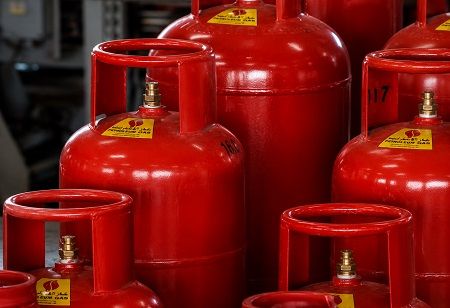
Domestic cooking gas prices in India have been increased by ₹29 per 14.2-kg LPG cylinder, marking the second hike in the past three months as rising import costs and supply disruptions linked to the ongoing West Asia conflict continue to pressure the country's energy sector. The revised prices came into effect on June 7, taking the cost of a domestic LPG cylinder in Delhi from ₹913 to ₹942. Similar increases have been implemented across major cities, including Mumbai, Kolkata, Bengaluru, and Hyderabad.
The latest revision follows a ₹60 increase announced in March and comes amid a sharp rise in international LPG prices. According to industry estimates, India's LPG imports have been significantly affected by disruptions in the Strait of Hormuz, a critical global energy transit route. Before the conflict, India imported nearly 60 percent of its LPG requirements, with around 90 percent of those imports sourced from West Asia. The region's instability has driven up transportation and procurement costs, resulting in higher import bills for state-owned oil marketing companies.
Also Read: Puri, Rodriguez Reaffirm India-Venezuela Energy Ties
Despite the increase, the government stated that domestic LPG prices remain substantially below international market levels. Officials noted that the actual import-linked cost of supplying a 14.2-kg cylinder exceeds ₹1,600, while consumers currently pay ₹942. The gap continues to be absorbed through government support and under-recoveries borne by public sector oil companies. The cumulative under-recovery on domestic LPG sales reportedly reached around ₹60,000 crore in the last financial year.
The government has also retained support for beneficiaries under the Pradhan Mantri Ujjwala Yojana, who will continue receiving a direct benefit transfer of ₹300 per cylinder for eligible refills. As a result, Ujjwala beneficiaries effectively pay around ₹642 per cylinder for the subsidized refills.
Economists warn that sustained increases in energy costs could contribute to inflationary pressures and affect household spending. The Reserve Bank of India has already raised its inflation forecast, citing global uncertainty, commodity price volatility, and supply chain disruptions among the key risks facing the economy.