
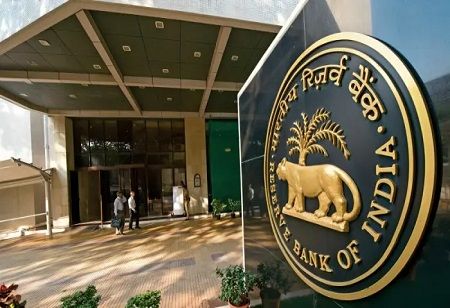
RBI Rate Pause Seen as Shield Against Global Economic Risks
Synopsis: Experts view the RBI’s decision to keep interest rates unchanged as a precautionary measure to safeguard economic growth, control inflation, and maintain currency stability amid rising global uncertainties and financial market volatility.
Economists and market experts have largely welcomed the Reserve Bank of India’s (RBI) decision to keep the repo rate unchanged at 5.25%, viewing it as a prudent step to safeguard economic growth and maintain financial stability amid rising global uncertainties. The decision comes against a backdrop of escalating geopolitical tensions in West Asia, elevated crude oil prices, a weakening rupee, and concerns over inflationary pressures.
The RBI’s Monetary Policy Committee (MPC) retained its neutral policy stance while acknowledging the challenges posed by the evolving global environment. Alongside the rate pause, the central bank revised its inflation forecast upward to 5.1% and lowered its GDP growth projection for FY27 to 6.6%, reflecting concerns over higher energy costs and external risks. Experts believe the move balances the need to support economic activity while retaining flexibility to respond to future inflationary pressures.
Analysts noted that an immediate rate hike to defend the rupee could have adversely affected growth and borrowing conditions. Instead, the RBI opted for a combination of policy stability and targeted measures aimed at attracting foreign capital and easing pressure on the domestic currency. Market participants view this approach as more effective than aggressive monetary tightening, particularly at a time when global economic conditions remain volatile.
Also Read: Modi-Rodriguez Talks Put Energy at India-Venezuela Core
To support the rupee and strengthen external financing conditions, the RBI announced a series of initiatives designed to boost capital inflows. These include expanding foreign investor access to government securities, easing investment norms for non-residents, and introducing measures to facilitate foreign currency inflows. Economists believe these steps could help stabilize the currency, improve investor confidence, and reduce pressure on financial markets without compromising growth prospects.
Industry experts have described the policy decision as a balanced response to an increasingly uncertain global environment. They argue that maintaining stable interest rates provides businesses and consumers with greater predictability while allowing the central bank to closely monitor developments in inflation, currency markets, and geopolitical risks.
The RBI’s latest policy stance underscores its commitment to preserving macroeconomic stability while navigating the complex challenges posed by global economic disruptions. As risks from energy prices, currency volatility, and geopolitical tensions persist, the central bank is expected to remain vigilant and ready to deploy additional measures if conditions warrant.