Tata Power to Invest Rs 1,572 Crore in Bhutan's Dorjilung
- Tata Power and DGPC will jointly develop the 1,125 MW Dorjilung hydropower project in Bhutan through a 60:40 SPV
- The ₹13,100 crore World Bank–backed project includes six 187.5 MW units, with Tata Power investing ₹1,572 crore
- Set for 2031 commissioning, it will be Bhutan’s largest PPP hydro project, supplying 80% of its power to India
Tata Power Company Ltd announced recently that it has entered into commercial agreements with Druk Green Power Corporation Ltd (DGPC) to collaboratively develop the 1,125 MW Dorjilung hydropower project in Bhutan.
The company partners in the Bhutan hydropower Dorjilung project to strengthen India Bhutan energy cooperation, promoting renewable energy investment, cross border electricity trade, and clean power generation.
The project will be developed under a special purpose vehicle (SPV), with a shareholding structure of 60% owned by DGPC and 40% owned by Tata Power. As part of the agreement, Tata Power is expected to invest ₹1,572 crore in phases, utilizing the equity funding structure we have agreed upon.
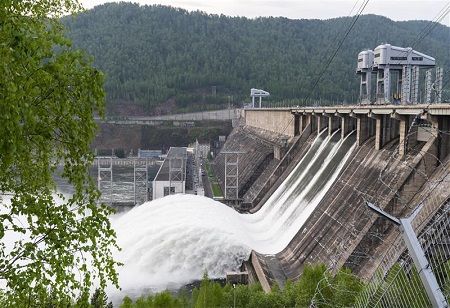
The Dorjilung project is planned to be run-of-the-river hydropower project, comprising six generating units of capacity 187.5 MW each, located on the Kurichhu River in the Mongar district of eastern Bhutan - an area known for its hydropower potential and significant in terms of future renewable energy development for the country.
Also Read: JBM, Sodecia Form JV to Supply Hot-Stamped Auto Systems in India
With a total estimated cost of ₹13,100 crore, Dorjilung is expected to become the largest hydropower project in Bhutan, which is being executed under a public-private partnership model. It is also set to be one of the most significant projects between Bhutan and India in the clean energy sector.
Funded by the World Bank, the project is expected to play an important role in enhancing Bhutan’s hydropower capacity and strengthening regional energy cooperation.
The project is scheduled to be commissioned in September 2031, supplying approximately 80% of the generated electricity to India and furthering its renewable energy goals while also providing Bhutan a significant source of revenue and long term economic benefits.