Finance Ministry Raises Duty on Displays, Eases Components
- BCD on flat panel displays increased to 20% to boost domestic manufacturing
- Duties on open cells and key components cut to 5%, with some parts fully exempt
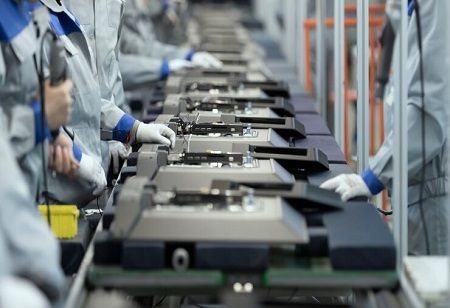
- Move aims to replicate smartphone sector success and build a local display ecosystem
In a major step of the policy, the Indian government has made such a move that the country's electronics manufacturing industry will be elevated to a global level. The finance ministry has announced that the BCD on flat-panel displays will be increased from 10% to 20%.
This main decision has twofold objectives: first, to encourage domestic production in the electronics market and, secondly, to finally address the long-standing problem of inverted duty structure where raw materials attracted much higher duties than finished goods.
The government has also done the opposite by slashing the BCD on the open cells and other essential flat panel display components to 5%, thus facilitating local production. In another positive development, certain parts of open cells used in LCD and LED televisions have been granted complete exemption from customs duty.
The Finance Minister when announcing the changes on the social media platform X stated that the measures were in line with the Make in India initiative and aimed at rectifying the structural distortions in the duty regime.
Also Read: How Budget 2026 Can Revive Affordable Housing
The most recent ruling is an extension of the previous reforms. The BCD on open cell parts was reduced from 5% to 2.5% in the 2023-24 Union Budget. The government intends to accelerate the development of domestic capacity and cut import dependence in the display manufacturing sector with the current exemption.
The strategy is similar to the phased manufacturing programme that gradually moved the mobile phone sector to be the second largest producer in the world, and India is now at that point.
By providing tariff protection on final products and simultaneously reducing duties on components, India was able to successfully attract the global manufacturers and establish a robust domestic supply chain.
In the short run, consumers might have to pay a little more for imported high-end displays, but the government anticipates that the long-term benefits will come from higher investment, job creation, and supply-chain localization. The policy aims not only to satisfy domestic consumption but also to facilitate India's aspiration to be a competitive exporter of cutting-edge display technologies.