Govt Shields Fuel Buyers, No Relief for Oil PSUs
- Government freezes retail fuel prices despite rising crude
- Oil companies face losses without direct government compensation
- Bulk buyers absorb cost pressures amid pricing adjustments
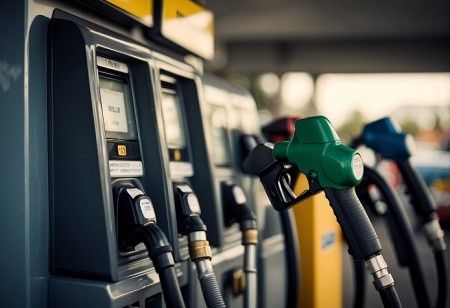
Amid rising global crude oil prices triggered by escalating geopolitical tensions in West Asia, the Indian government has decided not to compensate state-run oil marketing companies (OMCs) for losses incurred due to controlled fuel pricing. Despite mounting cost pressures, retail prices of petrol, diesel, and domestic LPG have been kept unchanged to shield consumers from inflationary impact.
The decision comes at a time when global oil markets remain volatile due to the ongoing conflict involving Iran and the United States, along with disruptions in the Strait of Hormuz, a critical energy transit route. These developments have pushed crude prices above $100 per barrel, intensifying financial strain on India’s fuel retailers.
According to officials, the government’s primary objective is to contain inflation and protect household consumption. Any increase in fuel prices would directly impact transportation costs and overall cost of living, potentially triggering broader economic pressures. By maintaining stable retail prices, policymakers aim to sustain economic stability despite external shocks.
Also Read: Cabinet Set to Clear ₹37,500 Cr Coal Gasification Plan
However, the burden of rising input costs is being partially shifted to specific segments. State-owned companies such as Indian Oil Corporation, Bharat Petroleum Corporation, and Hindustan Petroleum Corporation have increased prices for bulk diesel buyers and industrial LPG users. This selective pricing approach allows OMCs to recover some losses without affecting the general public.
Industry experts note that this strategy reflects a delicate balancing act between fiscal discipline and consumer protection. While OMCs continue to absorb under-recoveries, the absence of direct government compensation suggests that financial pressures within the sector may persist in the near term.
The broader context underscores how global geopolitical developments are increasingly shaping domestic economic policies. With nearly 20% of the world’s oil supply passing through the Strait of Hormuz, disruptions in the region have far-reaching implications for energy-importing nations like India.
As uncertainties in global energy markets continue, the government’s approach indicates a strong emphasis on consumer stability, even as oil companies navigate growing financial challenges.