India Proposes Rules for Higher Ethanol Fuel Use
- India proposes rules enabling higher ethanol fuel usage
- E85, E100 fuels to reduce crude import dependency
- Auto industry raises concerns over vehicle compatibility challenges
India has proposed a significant overhaul of its vehicle fuel framework by introducing rules that allow the use of higher ethanol-blended fuels such as E85 and E100, signaling a major shift in the country’s clean energy and fuel diversification strategy.
The Ministry of Road Transport and Highways has issued a draft notification to amend the Central Motor Vehicles Rules, formally incorporating these higher ethanol blends. The proposal is currently open for public feedback, after which a final decision will be taken.
This move comes after India successfully achieved its E20 target (20% ethanol blending in petrol) in 2025, and is now looking to push beyond that milestone to reduce dependence on imported crude oil and strengthen energy security.
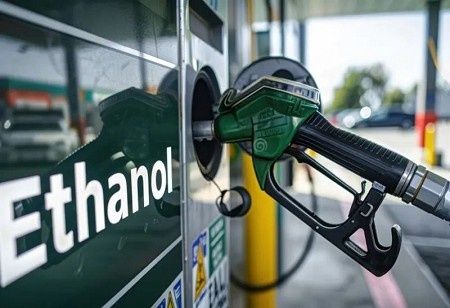
The proposed framework allows vehicles to run on E85 (85% ethanol blended with petrol) and even E100 (near-pure ethanol), marking a transition toward cleaner, domestically produced biofuels. This aligns with broader sustainability goals, including reducing carbon emissions and promoting alternative energy sources.
Also Read: India SIPs Halted Exceed Starts in Mar 2026 Volatility
However, the initiative has raised concerns within the automobile industry. Manufacturers have pointed out that a large portion of vehicles currently on Indian roads may not be compatible with higher ethanol blends, especially older models. Adapting to these new fuel standards will require technological upgrades, infrastructure readiness, and time for industry transition.
Experts also highlight potential challenges such as engine wear, reduced efficiency in some cases, and the need for widespread adoption of flex-fuel vehicles (FFVs) that can operate on multiple fuel types. Despite these hurdles, the government views the policy as a critical step toward long-term energy independence and reduced fossil fuel reliance.
Overall, the proposal reflects India’s aggressive push toward biofuel-led energy transformation, balancing environmental goals with economic and strategic priorities. If implemented effectively, it could reshape the country’s fuel ecosystem while creating new opportunities for agriculture and renewable energy sectors.