PNGRB LPG Pipeline Plan to Draw Rs 12,500 Crore
- ₹12,500 cr LPG pipeline expansion launched by PNGRB
- Aims to replace road transport with safer pipelines
- Boosts efficiency, cuts emissions, improves supply chain
The Petroleum and Natural Gas Regulatory Board (PNGRB) has initiated a major expansion of India’s LPG pipeline network, with projects expected to attract investments of around ₹12,500 crore, marking a significant step toward modernizing the country’s fuel transportation infrastructure.
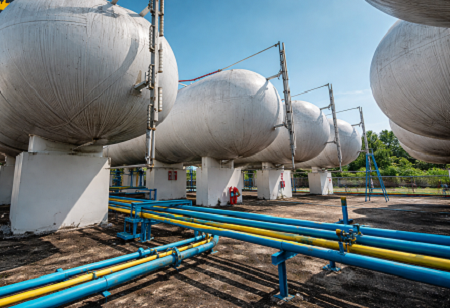
The regulator has launched bidding for nine LPG pipeline projects spanning approximately 2,500 km, aimed at strengthening connectivity between refineries, import terminals, and bottling plants. Of these, four key pipelines are currently in the advanced bidding stage, indicating early execution momentum.
A central objective of the initiative is to reduce dependence on road-based LPG transportation, which currently relies heavily on tanker trucks. By shifting bulk movement to pipelines, the government aims to improve supply chain efficiency, minimise transit losses, and enhance safety, particularly given the risks associated with road transport of LPG.
Also Read: Petrobras Clears Offshore Project with BPCL in Brazil
The proposed pipeline network includes strategic routes such as Cherlapally-Nagpur, Shikrapur-Hubli-Goa, Paradip-Raipur, and Jhansi-Sitarganj. These corridors are designed to connect key production and import hubs with consumption centres across multiple regions, enabling seamless and high-volume LPG distribution nationwide.
Beyond logistics efficiency, the expansion carries important environmental and economic implications. Pipeline transportation is expected to significantly reduce greenhouse gas emissions, lower fuel consumption, and decrease road congestion by replacing large volumes of tanker movement. The projects are also likely to generate employment and support regional development through infrastructure creation.
From a policy perspective, the initiative aligns with India’s long-term energy infrastructure strategy, which emphasizes safer, cleaner, and more cost-effective fuel distribution systems. PNGRB has set an ambitious target of phasing out bulk LPG road transport by 2030, indicating a structural shift in how fuel logistics will be managed in the future.
Overall, the ₹12,500 crore LPG pipeline expansion reflects a strategic transition toward pipeline-based energy transport, enhancing supply reliability while addressing safety and sustainability concerns in India’s growing energy ecosystem.