India Opens OALP-XI For Oil, Gas Exploration
- India launches OALP-XI with 21 oil and gas blocks
- Covers onshore, shallow, deep and ultra-deep areas
- Focus on boosting domestic exploration and energy security
India has announced the eleventh edition of its Open Acreage Licensing Policy (OALP-XI), unveiling 21 hydrocarbon exploration blocks as part of its ongoing efforts to substantially raise domestic oil and gas production and thereby lower the dependence on imported hydrocarbons.
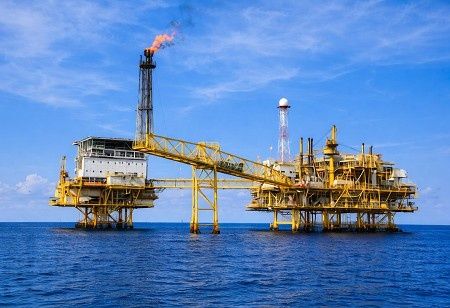
The announcement is only a part of the implementation of a serious restructuring measure for enhancing the energy security level of the country in the background of ever-increasing demand for energy and changing international energy environment. The blocks opened for bidding cover a piece of land with a total area of around 80,235 square kilometres and consist of 12 onshore areas, 4 shallow-water areas, 1 deepwater area, and four ultra-deepwater areas, if counted separately.
The release has a multi-dimensional approach to exploration, encompassing mature and frontier basins, in order to attract the investors of all kinds. The Directorate General of Hydrocarbons has made the information about the blocks available along with the details of the bidding parameters, and the dates of bid submissions are to be officially declared.
Also Read: India Seeks Steel raw materials From Indonesia, Argentina, Oman
It is worth mentioning that the announcement of OALP-XI is being made while the previous round of OALP-X offering a larger acreage capacity is still awaiting bids. This situation indicates the government's mindset to continue the progress in the upstream exploration sector at the same time working on issues of delays and investor caution that were observed in the previous rounds.
The new round additionally allows for a different bidding mechanism whereby companies will be assessed on revenue sharing and extent of exploration work proposed depending on the basin category. Bidders in Category-I basins, having a validated commercial production, will be given priority to those offering higher revenue shares besides strong work programmes.
On the other hand, less explored or prospective areas which are Category-II and III basins will be concentrating more on exploration commitments such as seismic surveys and drilling activities. This stratified method is intended to achieve a balance between risk and reward as well as motivate participation from not only the leading energy players but also the specialised exploration firms.
From a strategic standpoint, the initiative underscores India’s continued reliance on fossil fuels even as it transitions toward cleaner energy sources. Expanding domestic exploration is seen as critical to managing import dependence and supporting long-term energy demand, which is expected to grow steadily in the coming years.