India Raises Jet Fuel, Commercial LPG Prices
- India hikes jet fuel, commercial LPG amid global surge
- Govt caps airline fuel hike to limit fare impact
- West Asia tensions disrupt global energy supply chains
India has hiked the prices of aviation turbine fuel (ATF) and commercial liquefied petroleum gas (LPG) in a bid to align with the steep rise in global energy prices which have been mainly fuelled by the geopolitical tensions in West Asia. This step signifies increasing stress on the domestic energy prices as the disruptions of main supply routes, especially the Strait of Hormuz, have continued to affect the global oil and gas markets.
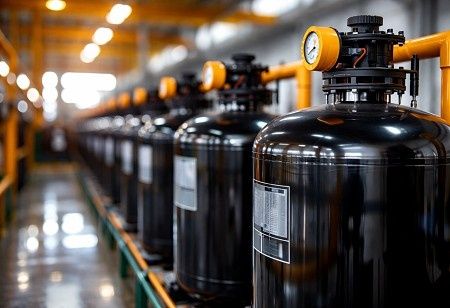
The price revision comes after the second successive hike in commercial LPG prices in a month, with a 19-kg cylinder now priced at over 2,000 in Delhi. These cylinders are mostly used by commercial entities like restaurants, hotels and small businesses which potentially points to a rise in the operating costs for the hospitality sector. Simultaneously, the price of jet fuel has also been increased however the government has decided on a measured approach to protect the domestic airlines from the full impact of the global price surge.
International fuel prices went up drastically, so that the price of ATF should be doubled. However, authorities implemented only a partial and staggered increase for domestic carriers around 88.5%to prevent a sharp escalation in airfares. On the other hand, non-scheduled and international operators are the ones paying a much higher cost increase, which is actually aligned with global price levels.
Also Read: Eutelsat In Talks With ISRO On Satellite Launches
Different pricing at these two ends is meant not only to make sure that the airlines can survive financially but also keep the prices attractive to the customers. This huge change in the price is a reflection of the disruptions that were experienced in the supplies due to conflict-related constraints in West Asia, which have not only reduced the flow of energy but also brought big changes in the price of the markets worldwide.
Since fuel accounts for a significant share of airline operating costs, the hike will further strain carriers already grappling with rising expenses and intense competition. Coming from a larger perspective, the situation illustrates India's exposure to external energy shocks as a result of its import from heavily politicized regions.
At the same time, a pricing move made by the government in a cautious manner is a signal of trying hard to lessen the impact of inflation and at the same time safeguarding sectors such as aviation and hospitality in a situation where the world is constantly changing in terms of energy supply.