India-Oman CEPA to Boost Trade, Energy Security
Synopsis: India-Oman CEPA is expected to strengthen energy security, improve trade resilience, expand export opportunities, and deepen strategic economic cooperation while enhancing India’s connectivity and long-term trade presence across the Gulf region.
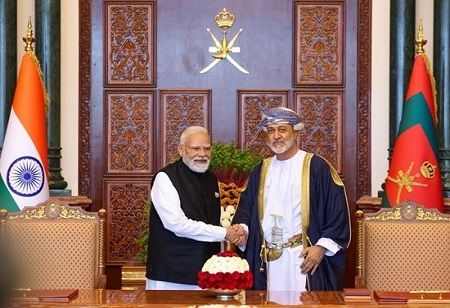
India’s Comprehensive Economic Partnership Agreement (CEPA) with Oman is expected to significantly strengthen the country’s energy security, trade resilience, and export competitiveness, according to a recent report assessing the long-term impact of the bilateral trade pact. The agreement, which comes into effect on June 1, 2026, is being viewed as a strategic milestone in India’s expanding economic engagement with the Gulf region.
The CEPA is expected to improve market access for Indian exporters by reducing or eliminating tariffs across a wide range of sectors. Industry analysts indicate that labour-intensive industries such as textiles, leather, footwear, engineering goods, pharmaceuticals, gems and jewellery, plastics, automobiles, and agricultural products are likely to benefit substantially from the agreement. Oman has reportedly agreed to eliminate duties on more than 98% of its tariff lines covering the majority of Indian exports by value.
Beyond trade expansion, the agreement is also seen as strategically important for India’s energy security and supply-chain diversification efforts. Oman’s geographical location near the Strait of Hormuz, one of the world’s most critical energy transit routes, strengthens its role as a reliable energy and logistics partner for India amid increasing geopolitical uncertainties in West Asia. Experts believe the CEPA could support India’s long-term plans for energy diversification, crude oil security, and resilient maritime trade connectivity.
Also Read: India, Japan Discuss Energy Supply Stability Measures
Reports further suggest that the agreement may encourage greater Indian investment in Oman’s energy, logistics, and infrastructure sectors while improving cooperation in emerging areas such as green hydrogen, renewable energy, digital trade, and advanced manufacturing. Oman is also expected to serve as an important gateway for India’s trade connectivity with Gulf Cooperation Council (GCC) nations, East Africa, and Central Asia.
According to trade data, bilateral trade between India and Oman has crossed $11 billion, with energy imports accounting for a major share of India’s purchases from Oman. Analysts note that the CEPA could help Indian exporters strengthen their presence in the Gulf market while improving supply chain resilience amid global trade disruptions and volatile energy markets.
Industry experts also view the agreement as part of India’s broader strategy to expand free trade partnerships and reinforce its economic influence in the Gulf region. The pact complements India’s earlier CEPA with the UAE and aligns with ongoing efforts to deepen trade integration with West Asian economies through investment-led growth and strategic infrastructure cooperation.