India-Sri Lanka Oil Pipeline Discussed in VP Talks
- India, Sri Lanka discuss cross-border oil pipeline
- Linked to Trincomalee energy hub and connectivity plans
- Aims to boost energy security amid global disruptions
India and Sri Lanka have renewed discussions on a proposed cross-border oil pipeline, signaling a strategic push toward deeper energy connectivity amid ongoing global supply disruptions.
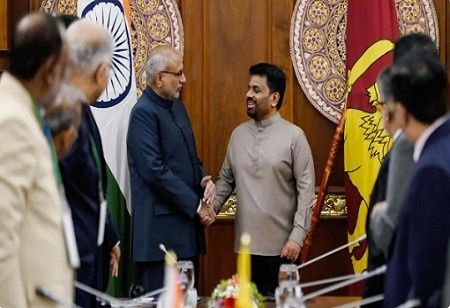
The proposal was a key focus during Vice President C. P. Radhakrishnan’s meeting with Sri Lankan President Anura Kumara Dissanayake, with Foreign Secretary Vikram Misri confirming that both sides explored linking the two countries through an energy pipeline. The talks form part of broader efforts to strengthen bilateral ties and accelerate long-pending strategic projects.
The pipeline is envisioned as part of a wider energy connectivity framework, which also includes the development of a regional energy hub at Trincomalee. This hub, being explored with potential third-country collaboration, is aimed at enhancing storage, refining, and distribution capabilities in the region.
A central rationale behind the project is the growing importance of secure and diversified energy supply chains, particularly in the context of disruptions linked to the West Asia crisis. Officials highlighted that such infrastructure would provide resilience against volatility in global fuel markets, while enabling more efficient and reliable energy flows between the two neighboring countries.
Also Read: India, New Zealand FTA to be signed on April 27
Beyond energy, the discussions also covered a wide spectrum of bilateral issues, including housing projects supported by India, humanitarian concerns related to fishermen, and ongoing development cooperation initiatives. The engagement reflects India’s continued emphasis on its “Neighborhood First” policy, positioning Sri Lanka as a key partner in regional stability and development.
The dialogue gains additional significance as Sri Lanka continues to navigate energy vulnerabilities and economic recovery challenges. India has played a critical support role in recent years, including fuel supplies and infrastructure assistance, reinforcing its position as a primary regional partner.
From a strategic perspective, the proposed pipeline underscores a broader shift toward integrated regional energy infrastructure, where cross-border connectivity is used to enhance supply security, reduce logistics costs, and strengthen geopolitical alignment. If implemented, the project could serve as a cornerstone for long-term energy cooperation in South Asia.
Overall, the renewed focus on the India–Sri Lanka oil pipeline reflects both immediate energy concerns and a longer-term vision of regional integration, combining infrastructure development with diplomatic and economic collaboration.