Islands to Boost India's Blue Economy Through Fisheries
India prioritises tuna, seaweed and ornamental fisheries in Lakshadweep and Andaman and Nicobar Islands to expand seafood exports, attract investment and strengthen its Blue Economy.
India is strengthening its Blue Economy strategy by positioning Lakshadweep and the Andaman and Nicobar Islands as major centres for high-value marine fisheries, with a focus on tuna production, seaweed cultivation and ornamental fisheries. The initiative aims to unlock underutilised marine resources, expand seafood exports, attract investment and create additional livelihood opportunities for coastal and island communities.
According to the Ministry of Fisheries, Animal Husbandry and Dairying, India has a coastline of approximately 11,099 kilometres and an Exclusive Economic Zone (EEZ) spanning nearly 24 lakh square kilometres. The country's estimated marine fisheries potential stands at 58.6 lakh metric tonnes, supporting the livelihoods of nearly 50 lakh fishers. India's seafood exports reached approximately ₹73,890 crore in FY 2025-26, highlighting the sector's contribution to international trade and the national economy.
Also Read: Can India Lead the World in Intelligent Machine Manufacturing?
The government has committed ₹39,272 crore to fisheries development through various schemes and programmes since 2015. Under the Pradhan Mantri Matsya Sampada Yojana (PMMSY), ₹218 crore has been allocated to the Andaman and Nicobar Islands and ₹175 crore to Lakshadweep to strengthen fisheries infrastructure and support production activities. Together, the two island territories account for nearly 40 per cent of India's EEZ, providing access to important fishing grounds and major tuna migration routes across the Arabian Sea and the Bay of Bengal.
Tuna fisheries are emerging as a central component of the development strategy. The waters surrounding the islands contain underutilised stocks of Yellowfin, Skipjack and Bigeye tuna. In Lakshadweep, a five-year development plan targets doubling annual tuna production to 50,000 tonnes through the introduction of deep-sea fishing vessels, mother vessels and improvements to traditional pole-and-line fishing. The plan also includes modern onboard handling systems, cold storage, processing and canning facilities to improve product quality and export readiness.
In the Andaman and Nicobar Islands, a dedicated Tuna Cluster under PMMSY is supporting fleet modernisation, new fishing vessels and expanded cold-storage infrastructure. The Marine Products Export Development Authority's strengthened presence is also expected to improve market access and facilitate direct seafood exports from the islands.
Beyond tuna production, the government is promoting seaweed cultivation and ornamental fisheries to diversify island-based livelihoods. Lakshadweep has been notified as a dedicated Seaweed Cluster, with plans for large-scale cultivation, seed banks, hatcheries and capacity-building initiatives.
Also Read: Unlocking Manufacturing Growth with Innovation
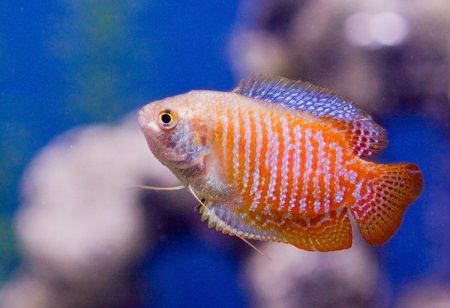
Seaweed has commercial applications across food, nutraceuticals, cosmetics, pharmaceuticals and bio-industrial products. The ornamental fisheries programme will focus on rearing facilities, regulated collection and sustainable market development, particularly in Lakshadweep, which has more than 300 reef-associated ornamental fish species.