Punjab Eyes Uzbekistan Market for Agri Exports and Food Trade
Synopsis: Punjab explores trade and investment opportunities with Uzbekistan, focusing on Basmati rice, processed foods, agri-tech, and farm machinery to expand exports and strengthen economic cooperation with Central Asia.
Punjab has initiated efforts to strengthen trade and investment ties with Uzbekistan, focusing on expanding exports of Basmati rice, processed food products, agricultural machinery, and agri-technology to the Central Asian nation. The initiative forms part of the state's broader strategy to diversify export markets, enhance agricultural trade, and promote long-term economic cooperation with emerging international partners.
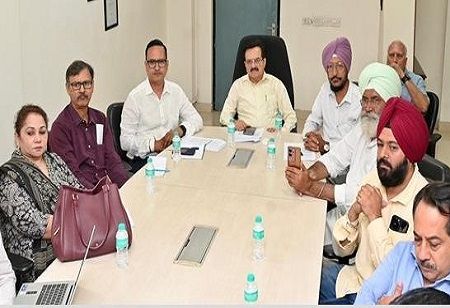
The Punjab State Food Commission, in collaboration with Invest Punjab, Punjab Agro, and Punjab Agricultural University (PAU), Ludhiana, organised a strategic meeting at the Mahatma Gandhi State Institute of Public Administration (MGSIPA) to explore potential areas of collaboration between Punjab and Uzbekistan. The discussions brought together officials and industry stakeholders to identify opportunities for increasing bilateral trade and attracting investment.
During the meeting, participants observed that the Government of Uzbekistan is actively encouraging foreign investment and expanding international business partnerships. However, they emphasised the need for a comprehensive market assessment to evaluate consumer demand, regulatory requirements, and the commercial viability of Punjab's products in the Uzbek market before large-scale exports are initiated.
The food processing sector emerged as one of the most promising areas for cooperation. Officials noted that Uzbekistan offers favourable conditions for importing value-added food products, creating opportunities for Punjab-based manufacturers. With a population that increasingly demands processed and packaged food products, the country presents significant potential for Indian exporters seeking to expand their presence in Central Asia.
Punjab State Food Commission Chairman Bal Mukand Sharma highlighted a broad range of products with export potential, including Basmati rice, agricultural machinery, tractors, spices, mustard oil, palm oil, desi ghee, tea leaves, skimmed milk powder, drip irrigation systems, water management technologies, renewable energy solutions, and processed food products manufactured by MARKFED and MILKFED. He said these products align well with the requirements of the Uzbek market and can contribute to stronger commercial engagement between the two regions.
Also read: India Launches National Textile Waste Innovation Challenge
Sharma particularly emphasised the opportunities for processed food exports. He noted that while Uzbekistan has abundant agricultural raw materials, its cold storage and food processing infrastructure remains relatively limited. This creates favourable conditions for Punjab-based companies to supply high-quality, value-added food products that can meet growing consumer demand.
The meeting also reviewed logistics and supply chain requirements for exports to Uzbekistan. Participants discussed suitable transportation routes, ports of discharge, and other logistical considerations that could facilitate efficient movement of goods from Punjab to Central Asia, ensuring cost-effective and reliable trade operations.
Joining the discussions virtually from Tashkent, Yogesh Kumar, AI Specialist, Visa Resident of Uzbekistan, and General Director of AKACORP Global Tech, described Central Asia as a rapidly emerging market with substantial opportunities for Indian businesses. He highlighted Uzbekistan's ongoing digital transformation and noted that technological advancements are opening new avenues for collaboration in areas such as digital solutions, agriculture, innovation, and trade facilitation.
Officials also observed that Uzbekistan's strategic location, growing economy, and expanding industrial base make it an attractive destination for Indian exports and investment. The presence of more than 15,000 Indian students and the country's significant reserves of gold and rare earth minerals further strengthen its importance as a long-term economic partner.
The initiative reflects Punjab's continued efforts to identify new global markets for its agricultural, food processing, and manufacturing sectors. By strengthening trade relations with Uzbekistan, the state aims to boost exports, encourage investment, create new business opportunities, and contribute to sustained economic growth while expanding its commercial footprint across the Central Asian region.