RBI Opens Dollar Window for Three State-Run Oil Companies
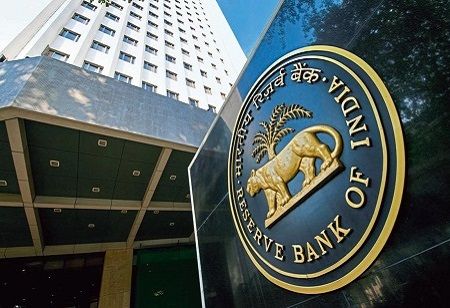
The Reserve Bank of India opens a special dollar window from October 12 to meet the daily foreign currency requirements of Indian Oil, HPCL and BPCL amid pressure on the rupee.
The Reserve Bank of India (RBI) has announced a special foreign exchange facility to meet the entire daily US dollar requirements of three state-owned oil marketing companies, starting October 12, 2026. The measure covers Indian Oil Corporation (IOC), Hindustan Petroleum Corporation (HPCL) and Bharat Petroleum Corporation (BPCL), enabling them to access dollars through designated banks. The facility will remain operational until further notice.
The move comes as the Indian rupee faces renewed pressure against the US dollar. The currency closed at ₹96.73 per dollar on October 9, near its record-low levels. State-run oil companies require substantial amounts of foreign currency to pay for crude oil imports, making their demand for dollars an important factor in the domestic foreign exchange market.
Also Read: How Electronic Manufacturing in India Drives Global Growth
Under the new arrangement, the RBI will supply dollars directly to the three companies through designated banks. This separate channel is intended to reduce the need for the oil marketing companies to purchase their entire dollar requirements in the spot foreign exchange market, potentially easing demand pressure on the rupee. The central bank has not disclosed the designated banks, pricing mechanism or expected volume of dollar sales under the facility.
Alongside the special facility, the RBI has announced tighter rules governing foreign exchange derivatives to strengthen market discipline and support orderly market functioning. Authorised dealers will no longer be permitted to allow customers to rebook rupee-linked derivative contracts cancelled after the new directions came into force. Contracts can still be rolled over at maturity, subject to existing regulations.
The central bank has also reduced the threshold for hedging contracted foreign exchange exposures without establishing the underlying exposure from $100 million to $5 million. The corresponding threshold for rupee-linked exchange-traded currency derivatives has also been lowered.
Also Read: How to Start a Spice Manufacturing Business
In another measure, dealers must maintain a cash foreign exchange risk reserve equivalent to 20% of the rupee value of eligible contracts exceeding $2 million for specified current-account exposures. The reserve must be maintained until the contracts mature, while dealers must obtain confirmation that the same underlying exposure has not been hedged elsewhere.
The measures reflect the RBI’s efforts to manage foreign exchange market pressures while ensuring that essential oil importers can meet their dollar payment requirements.