RBI Warns Fuel Prices May Rise if Conflict Continues
Synopsis: Sanjay Malhotra warns that petrol and diesel prices may rise if the West Asia conflict continues, increasing pressure on inflation, fuel imports, and India’s economy.
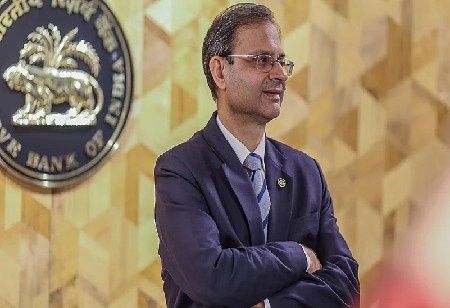
Reserve Bank of India Governor Sanjay Malhotra has warned that petrol and diesel prices in India may increase if the ongoing conflict in West Asia continues for a prolonged period, raising concerns over inflation and energy security. His remarks come amid rising crude oil prices and supply disruptions linked to escalating geopolitical tensions in the region.
Speaking at an event hosted by the Swiss National Bank and the International Monetary Fund in Switzerland, Malhotra stated that it would eventually become difficult for the government and state-run oil marketing companies to absorb the continuous rise in global crude prices. He noted that excise duty cuts and subsidies have so far helped shield consumers from immediate fuel price hikes, but prolonged pressure could force authorities to pass on higher costs to consumers.
The warning follows Prime Minister Narendra Modi’s recent appeal for voluntary austerity measures, including reducing fuel consumption and limiting non-essential imports such as gold, to conserve India’s foreign exchange reserves. Analysts believe the government is attempting to manage external vulnerabilities as the conflict threatens global energy supply chains, especially through the Strait of Hormuz, a critical route for oil and LNG shipments.
Also Read: PM's UAE Visit to Boost Strategic Defence Partnership
India remains heavily dependent on imported crude oil, making the economy sensitive to fluctuations in global energy prices. Recent data showed retail inflation rose to 3.48 percent in April 2026, while economists cautioned that sustained crude prices above $100 per barrel could increase transportation and logistics costs, further impacting inflation.
Malhotra also emphasised that the RBI is closely monitoring inflation and growth trends while maintaining a flexible policy approach. He stated that short-term supply shocks can be managed, but persistent energy price increases may require monetary and fiscal policy adjustments to stabilise inflation expectations and economic growth.
The remarks have intensified market concerns over possible fuel price revisions, especially as the rupee continues facing pressure from rising import bills and global market volatility linked to the West Asia crisis.