Centre Partners MP, Rajasthan for Jal Jeevan Mission Phase 2
- Centre signs JJM Phase 2 MoUs with MP, Rajasthan.
- Focus shifts to reforms, governance, sustainability.
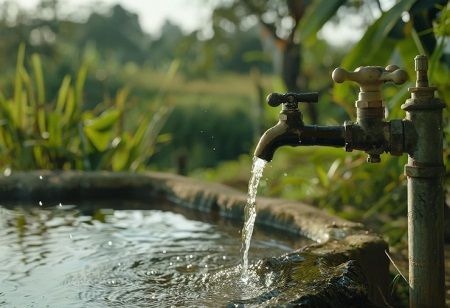
- Aim: reliable tap water for all rural households.
The Centre has entered into reform-related Memorandums of Understanding (MoUs) with Madhya Pradesh and Rajasthan to launch phase 2 of the Jal Jeevan Mission (JJM), which is an important move in strengthening rural drinking water supply in these two states. These pacts are part of the Centre's wider efforts to prolong the Jal Jeevan Mission till 2028.
The focus will be more on service delivery, governance reforms, and sustainability, rather than merely on the creation of physical infrastructure. According to the MoUs, Maharashtra and Rajasthan will introduce 11 reform measures to enhance institutional capacity, transparency, and long-term functionality of rural water supply systems.
These reforms involve tighter control mechanisms, greater involvement of communities, and provision of consistent water of good quality. This program is quite meaningful in light of the very different water issues faced by the two states Rajasthan’s extreme water shortage and Madhya Pradesh’s diverse hydro-geological conditions. The Centre pointed out that the alignment of state-level implementation with national reform frameworks will be essential for the provision of universal rural tap water coverage.
Also Read: Flight Cancellations Rise as Middle East Tensions Escalate
Officials emphasized that the reform-linked approach will guarantee accountability and the disbursal of funds based on performance, since states will have to fulfill certain conditions in order to be eligible for central funds. One of the requirements is showing a continuous delivery of services and sticking to quality standards.
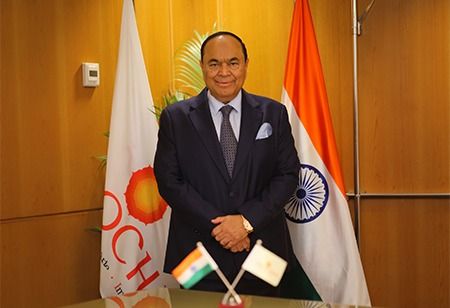
The chief ministers of Madhya Pradesh and Rajasthan themselves have once again declared their resolve to carry out the reforms effectively. Besides ensuring that every rural household has regular, safe, and sustainable drinking water, the reform also aims to lessen the work of women and raise the health standards of the general public.
Through the MoUs, new and systematic evaluation instruments, e.g. village-level service evaluations and nationwide awareness campaigns such as Jal Utsav, are being introduced to citizens to nurture their engagement and to provide for water governance. In a broader sense, the step is indicative of a reform-driven, result-oriented system in the field of rural water supply in India where issues of sustainability, accountability, and community ownership will be given much greater importance.