Govt Cuts Petrochemical Duties Amid Iran War
- India waives import duty on key petrochemicals temporarily
- Move aims to ease supply disruptions and cost pressures
- Relief valid till June 30 amid global trade uncertainty
India has waived import duties on certain petrochemical goods as part of a temporary policy reaction to current global supply disruptions resulting from geopolitical tensions in West Asia. The strategy is to secure sufficient domestic supply of major industrial inputs and at the same time prevent excessive cost increases in the downstream sectors.
The duty-free status will cover a number of key chemicals and petrochemical raw materials that are extensively used in industries like plastics pharmaceuticals textiles, and manufacturing. Through this step, the government is aiming to relieve the supply difficulties, which have been a result of the disruptions in the international trade routes and the increased freight and energy costs related to the conflict in the Middle East.
This support measure is for a limited time and has been scheduled to expire on June 30 2026 thus reflecting the government's decision to intervene in a temporary manner to stabilize the market. This policy move is part of a larger plan to help industrial production recover from international shocks.
Also Read: India Opens OALP-XI For Oil, Gas Exploration
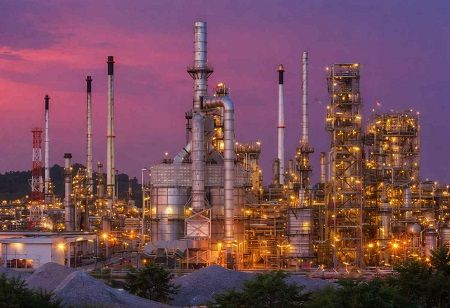
The petrochemical industry is very vulnerable to supply chain problems because its feedstocks are imported from around the world. If there are any restrictions in supply or if prices rise, these changes can affect not only the chemical sector but also packaging construction automotive, and consumer goods.
The government, by temporarily lifting the import taxes, wants to help local producers reduce their costs and avoid cutting down on production. Furthermore, this change is also in line with the other recent trade and tariff changes that India has made to counter the economic effects of the geopolitical turbulence.
With energy and shipping markets being disrupted, the government officials are turning more and more to tariff policies that are flexible to keep supply going and also to give a boost to the industry. Strategically, such a decision highlights how crucial it is to have trade policies that can change in response to worldwide upheavals.
The tax exemption act as a first aid, at the same time serves as a reminder that it is important to diversify the supply sources and enhance the domestic manufacturing capacities of the essential chemical products. In the light of continuing global uncertainties, these kinds of carefully planned government actions will probably be major factors in the achievement of industrial development and economic steadiness.