India and Brazil Target $30 Billion Bilateral Trade by 2030
India and Brazil reaffirm economic ties and target USD 30 billion bilateral trade by 2030, focusing on trade diversification, pharmaceutical market access, investment and progress on the India-MERCOSUR trade framework.
India and Brazil emphasize their commitment towards expanding bilateral trade and economic collaboration with a high aim of achieving US$ 30 billion of bilateral trade between the two nations till 2030. This commitment is taken in view of the eighth meeting of the India-Brazil Trade Monitoring Mechanism (TMM).
Indian-Brazilian bilateral trade goes up to US$15.07 billion during 2025-26, which is a good base to fulfill the new target. Both countries talk about the complementarity of their economies and find ways for making their trade more diverse and balanced.
Also read: Piyush Goyal Pushes Faster FDI Approvals and Easier KYC
The negotiations are centered on enhancing collaboration in key sectors and overcoming problems that might enable increased flow of goods, services and investments. Both the countries aim to increase involvement of businesses and discover new domains wherein their industrial and economic advantages can be leveraged.
India and Brazil also evaluate the progress in regard to the Terms of Reference for India-MERCOSUR, with both parties being committed to early completion of these terms of reference. India-MERCOSUR Preferential Trade Agreement is considered to have substantial potential for expansion and modernisation. Trade volumes between India and MERCOSUR stand at USD 20.84 billion in 2025.
Another field that is becoming increasingly relevant in terms of discussion is the access to pharmaceutical markets. There is progress made by both India and Brazil in the direction of enabling access to the Brazilian market for pharmaceuticals from India. These favorable market and regulatory access conditions will allow for Indian pharmaceutical companies to prosper.
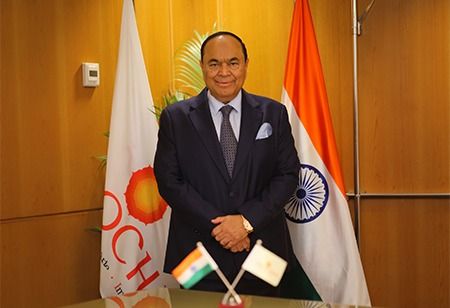
Investment cooperation is also an important area for discussion at the dialogue. The Indian Commerce Secretary, Rajesh Agrawal, holds discussions with the Brazilian Minister of Development, Industry, Commerce and Services, Marcio Elias Rosa, on how to boost trade and investment cooperation.
Private sector involvement in the bilateral economic relationship is also being sought by the two nations. Business to business engagement will aid in discovering new avenues for investment, developing joint ventures, and fostering commercial connections between the two economies.
The $30 billion goal is based on the larger objective of broadening economic ties between India and Brazil beyond their current trading relationships. The increased diversification will facilitate increased variety of goods and services traded, as well as provide opportunities for firms to enter new industries.
The cooperation between India and Brazil is also significant in the larger economic context of the Global South. Being significant emerging economies and members of BRICS, both nations can engage in coordination related to trade, investments, and other economic concerns.
Bilateral trade should result in better supply chain linkages and help firms in both nations look into new markets for business. Improvement in market access, regulatory cooperation, and trade facilitation would be very helpful in meeting the target of 2030.
Also read: How Intelligent Battery Sensors Improve EV Battery Accuracy
With bilateral trade already at more than USD 15 billion, there are efforts by India and Brazil to double their business transactions within the next four years. The TMM negotiations and the India-MERCOSUR framework will offer institutional instruments for achieving this objective.
This engagement will thus strengthen the economic side of the India-Brazil strategic partnership. Through trade diversification, access to the pharmaceutical market, investments, and regional trade integration, the two nations seek to develop a better balanced and strengthened business relationship with a view to achieving the USD 30 billion bilateral trade target by 2030.