India and Morocco Target Doubling Bilateral Trade in Five Years
India and Morocco aim to double bilateral trade in five years as both countries establish a Joint Working Group to explore a preferential trade pact, improve market access and expand cooperation across emerging and strategic sectors.
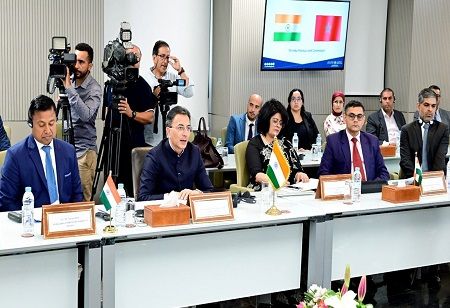
India and Morocco agree to work towards doubling bilateral trade over the next five years, while exploring new mechanisms to expand market access and strengthen economic cooperation. The decision comes during the 7th Session of the India-Morocco Joint Commission, where both sides review the existing trade relationship and identify opportunities to diversify commercial engagement. Bilateral trade stands at around USD 4 billion in 2025, highlighting significant scope for further expansion.
As part of the effort to achieve the trade target, the two countries agree to establish a Joint Working Group (JWG) to examine the feasibility of a Preferential Trade Agreement (PTA). The group is expected to assess tariff and non-tariff barriers, identify opportunities for improved market access and explore measures to facilitate trade in both goods and services.
Also read: India, New Zealand Deepen Maritime Security and Defence Ties
The proposed JWG provides an institutional mechanism for addressing trade-related challenges and developing a more favourable environment for businesses in both countries. Regular consultations are expected to help identify sectors with high growth potential and support greater participation by companies from India and Morocco in each other's markets.
Both countries also focus on diversifying the existing trade basket. Potential areas for greater commercial engagement include fertilisers and chemicals, minerals, machinery and electrical equipment, automotive products, building materials, polymers, agricultural and food products, metals and tourism. Expanding cooperation across these sectors can reduce concentration in traditional commodities while creating opportunities for higher-value trade.
Pharmaceuticals emerge as another important area of discussion. India raises concerns regarding market authorisation procedures and approval timelines affecting Indian pharmaceutical companies in Morocco. Both sides agree to work towards resolving regulatory and market-access issues to facilitate pharmaceutical trade and strengthen cooperation in the healthcare sector.
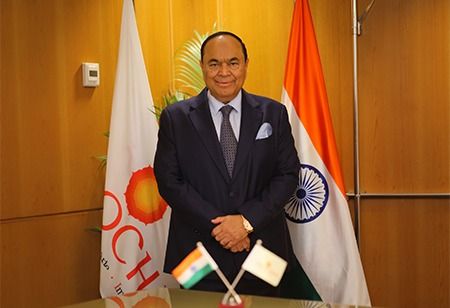
Fertiliser cooperation remains a key pillar of the economic relationship. Morocco is an important supplier of phosphate-based products, while Indian agricultural requirements create sustained demand. The two countries welcome cooperation involving OCP and Indian partners, including Paradeep Phosphates and IMACID, with OCP reaffirming its commitment to supplying phosphates and fertilisers according to India's requirements.
The two sides also explore opportunities in emerging sectors, including artificial intelligence, electric vehicles, renewable energy, energy storage, fintech, healthcare, pharmaceuticals and medical devices. Indian Minister of State for Commerce and Industry Jitin Prasada invites Moroccan companies to invest in India and participate in joint ventures in these areas.
Agricultural cooperation is another area receiving attention, with India and Morocco discussing sustainable agriculture, food security, food safety, agricultural research, biotechnology, digital agriculture and agricultural value chains. These areas offer scope for technology exchange and stronger cooperation between businesses and institutions.
The India-Morocco partnership is also expected to gain momentum through greater investment and industrial collaboration. Both countries seek to strengthen business-to-business engagement and identify opportunities for joint ventures that can expand production, create employment and connect companies with wider regional markets.
Also read: Solar Manufacturing: Powering India's Vision of Viksit Bharat
The latest decisions provide a structured roadmap for taking bilateral economic relations forward. With trade already reaching approximately USD 4 billion, the five-year doubling target reflects the ambition to unlock untapped commercial potential through better market access, diversified trade and stronger investment ties.
The proposed preferential trade pact study, combined with cooperation in technology, manufacturing, pharmaceuticals, agriculture and renewable energy, is expected to provide fresh momentum to the India-Morocco economic partnership. Both sides remain focused on building a broader and more balanced trade relationship that supports long-term growth and mutual economic opportunities.