
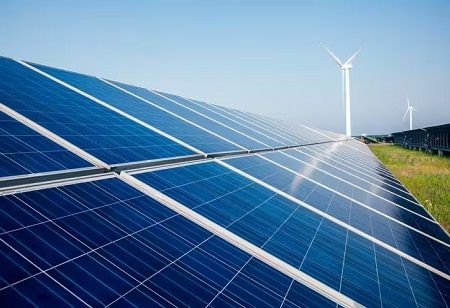
India Plans 2-Hour Battery Storage Mandate for New Solar Projects
India proposes mandatory battery storage for new government solar and wind projects from July 2027, aiming to improve renewable power reliability, strengthen grid stability and optimise clean-energy utilisation.
India is moving towards making battery energy storage a mandatory component of new government-backed solar and wind power projects from July 2027, according to draft regulations. The proposed measure seeks to address the intermittent nature of renewable energy and strengthen the reliability of electricity supplied to the national grid.
The proposed requirement comes as India rapidly expands its renewable energy capacity while facing growing challenges related to grid stability, transmission constraints and the fluctuating output of solar and wind installations. Unlike conventional power plants, renewable projects cannot consistently generate electricity according to demand. Battery storage can help bridge this gap by storing surplus electricity and releasing it when generation falls or demand rises.
Also read: Adobe Acquires Indian AI Startup Rilo to Boost Marketing
Under the proposed framework, new government solar and wind projects are expected to incorporate battery storage capacity alongside their generation infrastructure. The policy is designed to ensure that renewable electricity remains available beyond periods of peak generation, particularly when solar output declines after sunset or wind generation fluctuates.
The move also reflects India's broader efforts to improve the integration of renewable energy into the electricity system. The country is targeting a substantial expansion of non-fossil power capacity, making energy storage increasingly important for maintaining a dependable electricity supply.
Battery Energy Storage Systems (BESS) are gaining importance as India seeks to reduce renewable power curtailment and manage peak demand more efficiently. Storage allows excess electricity generated during periods of high renewable output to be shifted to periods when power demand is greater. This capability can reduce pressure on conventional generation sources and improve the utilisation of renewable assets.
The need for storage is becoming more apparent as renewable generation expands rapidly. Recent developments indicate that insufficient storage and transmission capacity can prevent India from fully utilising available solar power, particularly during periods when generation exceeds the grid's ability to absorb electricity.
The proposed mandate is therefore expected to create additional demand for battery storage technologies and encourage investment across India's energy-storage ecosystem. It can also support the development of a more flexible power system capable of responding quickly to changes in electricity generation and consumption.
Also read: The Future of India's Water Infrastructure
For renewable energy developers, however, integrating storage is likely to increase project requirements and upfront investment. The long-term impact will depend on battery costs, technology development, financing conditions and the final regulatory framework.
Overall, the proposed requirement marks a significant shift in India's renewable energy strategy. By combining generation with storage, the country aims to move beyond simply adding solar and wind capacity towards building a more reliable, flexible and dispatchable clean-energy system.