India-US Trade Deal to Propel Startups, MSMEs, and Exports
- US tariffs on Indian goods are set to fall sharply, boosting competitiveness for startups and MSMEs
- Labour-intensive and export-driven sectors could see higher orders and better margins
- The deal expands global integration while safeguarding agriculture and dairy
The Indian startup ecosystem together with its MSME sector has faced persistent challenges for many years because high tariffs reduced their ability to compete with US markets which serve as their primary international target. The barrier now shows signs of becoming less obstructive.
The US-India trade agreement now reaches its final stage because both countries have completed their negotiations which will create new business channels for Indian export-based startups and small-scale manufacturing companies.
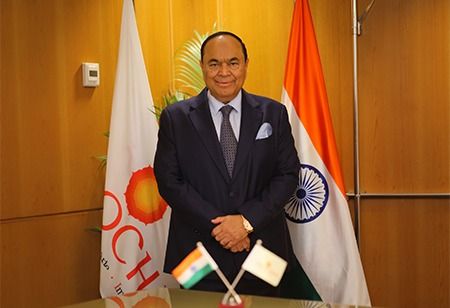
Piyush Goyal, the Commerce and Industry Minister, described the trade agreement as a "very good trade deal" which brings multiple benefits through lowered tariffs and better market access and expanded Indian supply chain participation while maintaining protection for agriculture and dairy businesses.
Although detailed terms will be released shortly through a joint India–US statement, early indications suggest substantial gains for India’s export ecosystem.
The deal contains a major component which mandates the United States to decrease its import taxes on Indian products. The highest rates, which previously reached 50%, will decrease to approximately 18%, which will create better pricing conditions for Indian exporters who sell products in the largest consumer market globally.
Also Read: CM Unveils Rs 100 Cr Venture Fund to Boost Mizoram Startups
The change holds special importance for MSMEs and manufacturing startups because they run their businesses with minimal profit margins. The textile, apparel, leather, footwear, gems, jewellery, engineering goods, machinery, aircraft components and the marine products industry will receive immediate advantages.
The country will experience industrial growth through fresh export orders and long-term contracts which will be created by lower tariffs.
The agreement creates economic value through its support of non-traditional export markets which include advanced manufacturing, technological partnerships and supply-chain development that includes semiconductor and AI and global capability center operations.
The government has established complete protection for farmers' rights while it operates its agricultural programs. The upcoming deal completion will initiate a new business development phase for Indian startups and MSMEs which will result from reduced trade restrictions and improved international business ties and balanced international trade conditions.