Centre Pushes States to Accelerate LPG-to-PNG Shift
The Centre asks states and UTs to appoint district nodal officers to accelerate the LPG-to-PNG shift where pipelines are available. The move strengthens coordination, consumer outreach and energy security while reducing LPG distribution pressures.
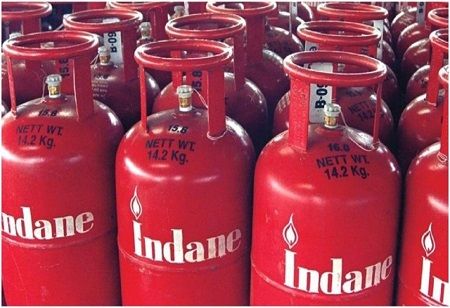
The Centre has asked states and Union Territories to appoint district-level nodal officers to accelerate the transition of households from liquefied petroleum gas (LPG) to piped natural gas (PNG) in areas where pipeline infrastructure is already available. The move aims to ensure better coordination among consumers, city gas distribution (CGD) companies and oil marketing companies (OMCs).
Petroleum Secretary Neeraj Mittal said district-level administrative support is essential for completing the transition within prescribed timelines. The ministry has recommended that the officers be drawn from state Food and Civil Supplies departments, which already have regulatory links with LPG distributors and established field-level networks.
Also Read: Solar Manufacturing: Powering India's Vision of Viksit Bharat
The initiative follows the government’s recent regulatory framework aimed at preventing households from maintaining both LPG and PNG connections where piped gas is available. Under the new arrangements, households that do not apply for PNG connections after receiving due notice could have their LPG supply discontinued.
To facilitate the transition, authorised CGD entities and public-sector oil marketing companies have been directed to establish PNG Coordination Committees (PCCs) in every geographical area. These committees are responsible for identifying eligible households and housing societies, issuing notices, conducting awareness and outreach camps, and supporting consumers in obtaining PNG connections.
The Centre has asked each state and Union Territory to nominate one district-level officer, not below the rank of District Supply Officer, to coordinate with the local PCC. These officers will help resolve administrative and consumer-related issues that could delay the conversion process.
District administrations will also support CGD companies in securing rights of way or rights of use from housing societies and resident welfare associations. They will facilitate coordination between LPG distributors and gas companies, assist with consumer verification and outreach, and address grievances arising during the transition.
Also Read: Meeting Global Paint Standards: VOC Rules & Environmental Norms
The push for PNG adoption gains significance following disruptions to India’s LPG supply chains during the West Asia crisis earlier this year. While LPG distribution faced pressure during the disruption, domestic PNG supplies proved comparatively resilient. The government has since been working to diversify LPG sourcing while encouraging greater use of available PNG infrastructure.
The Petroleum Ministry describes PNG as a safer, cleaner and more efficient cooking fuel. Greater adoption is also expected to reduce the logistics burden associated with LPG distribution and improve utilisation of the substantial infrastructure already developed under the city gas distribution network.
The district-level coordination mechanism is therefore intended to make the LPG-to-PNG transition more structured and time-bound, while supporting India’s broader energy-transition and energy security objectives.