UK Invites India for Talks on Strait of Hormuz Reopening
- India joins UK-led talks on reopening Strait of Hormuz
- Focus on restoring global energy supply routes
- Diplomatic efforts prioritised amid rising tensions
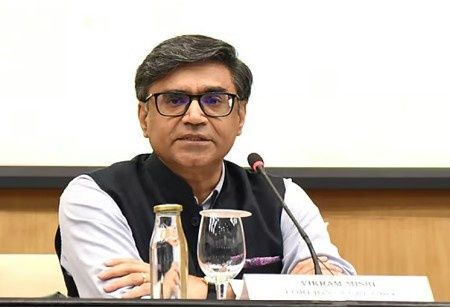
India has decided to be part of a United Kingdom-led multilateral initiative to reopen the Strait of Hormuz. Foreign Secretary Vikram Misri was one of the dignitaries who participated in the high-level discussions with representatives of over 30 nations. This is a move taken amidst increasing worldwide alarm over the closure of this key shipping lane which has caused major upheavals in energy supplies and trade flows.
Discussions which were carried out at the UK location and chaired by Foreign Secretary Yvette Cooper were aimed at finding diplomatic and strategic ways of reopening the shipping lane. The Strait of Hormuz which facilitates the delivery of about 20% of the crude oil and LNG comes from sources such as cargo ships carrying out the functions of this marine harbor acts as a bottleneck following heightened military activities involving Iran has resulted in sharp spikes in prices of oil worldwide and severe disruptions of logistics to the point where to the general public.
India's involvement shows that besides the energy component, India is also looking at strategic aspects of the issue. India's dependence on imports that move through the Gulf region is considerable, so it is of prime importance for the country to keep the supply chains of global energy uninterrupted. By actively participating in these multilateral discussions, India is not only supporting but also contributing to the global efforts that are aimed at securing safe maritime trade routes which are essential for the world's economy and development.
Also Read: Govt Cuts Petrochemical Duties Amid Iran War
The negotiations and talks are anticipated to revolve first and foremost on ways of resolving issues through dialogue and negotiation by making sure that countries work in cohesion to facilitate the safe passage of maritime vessels and are a step towards solutions in the region will be addressed and the risks which the vessels may face will be countered through these consultative mechanisms.
The broader initiative also reflects a shift toward collective global action, with countries exploring coordinated mechanisms to manage the crisis. While military options such as mine-clearing and protection of oil tankers may be considered in subsequent phases, the immediate emphasis remains on achieving de-escalation and restoring normal shipping operations through diplomatic channels.
From a strategic standpoint, the talks highlight the critical importance of the Strait of Hormuz in global energy security and trade continuity. For India, active participation reinforces its role in international economic and geopolitical discussions, while also addressing immediate concerns related to energy access and supply chain stability. The outcome of these consultations is expected to shape coordinated global responses to one of the most significant maritime disruptions in recent years.